Despite a stable job market and good quality of life, D.C.'s high cost of living and a migration of people out of the city caused the District to plummet 11 spots to No. 19 on the list of the top 125 places to live in the U.S.
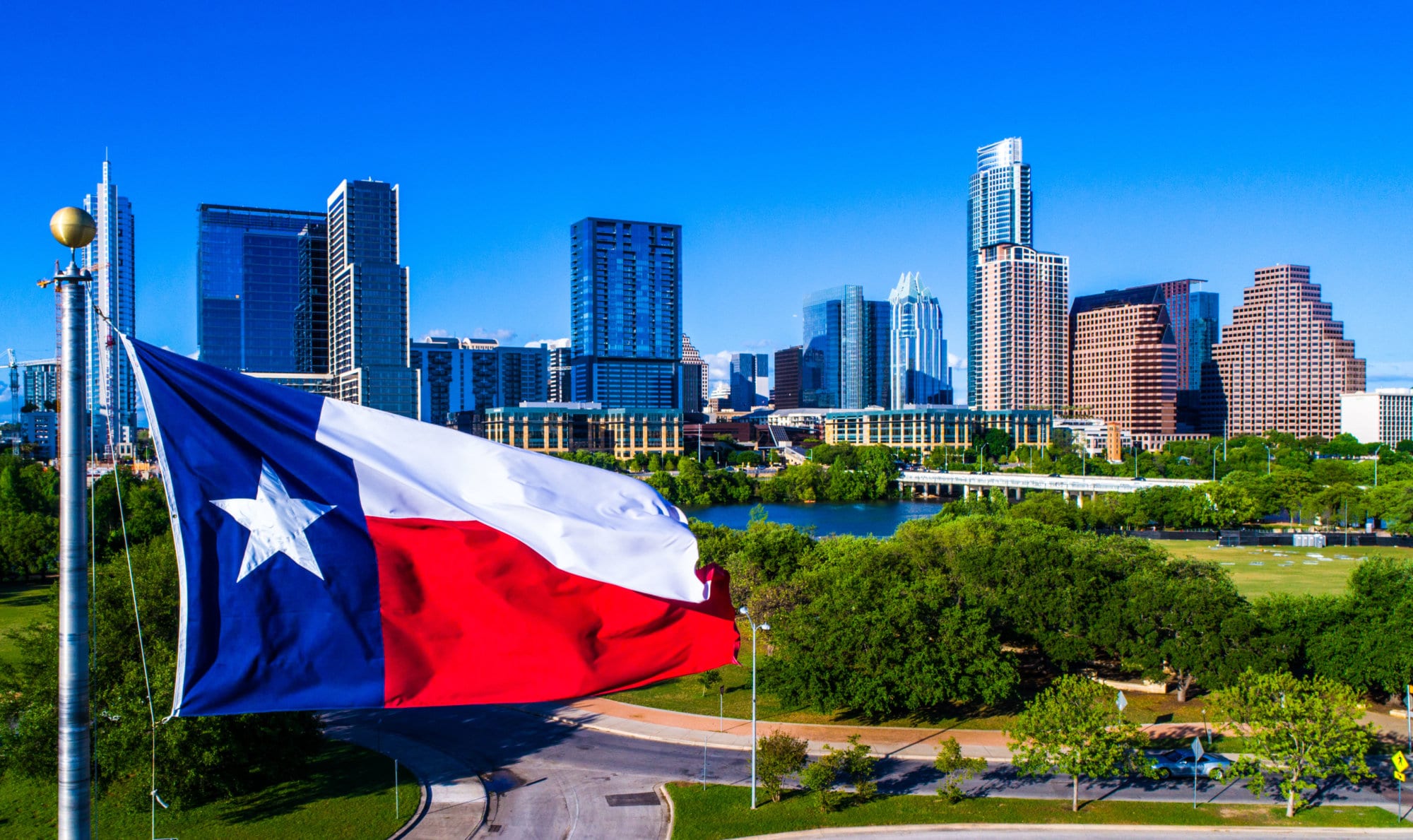
No. 1Austin, Texas
People are still moving, though not as many as in past years, to the Lone Star State’s capital due to its good weather, access to outdoor space, higher education institutions and live music scene.
(Getty Images)
Getty Images
No. 2Denver, Colorado
The capital of Colorado moved up one spot in the rankings due to its desirability and quality of life scores, even though it’s not a cheap place to live. The Mile High City has a lot going for it, especially its access to the Rocky Mountains, which are about an hour away.
(AP Photo/David Zalubowski, File)
AP Photo/David Zalubowski, File
No. 3Colorado Springs, Colorado
Colorado Springs is an extremely attractive place to live, literally, as you can see here from this photo of the snow-covered Garden of the Gods Park at the base of 14,000 foot Pikes Peak. That helps keep it in the magazine’s top five for another year, even though it dropped one spot behind Denver, its neighbor a couple hours to the north.
(Getty Images)
Getty Images
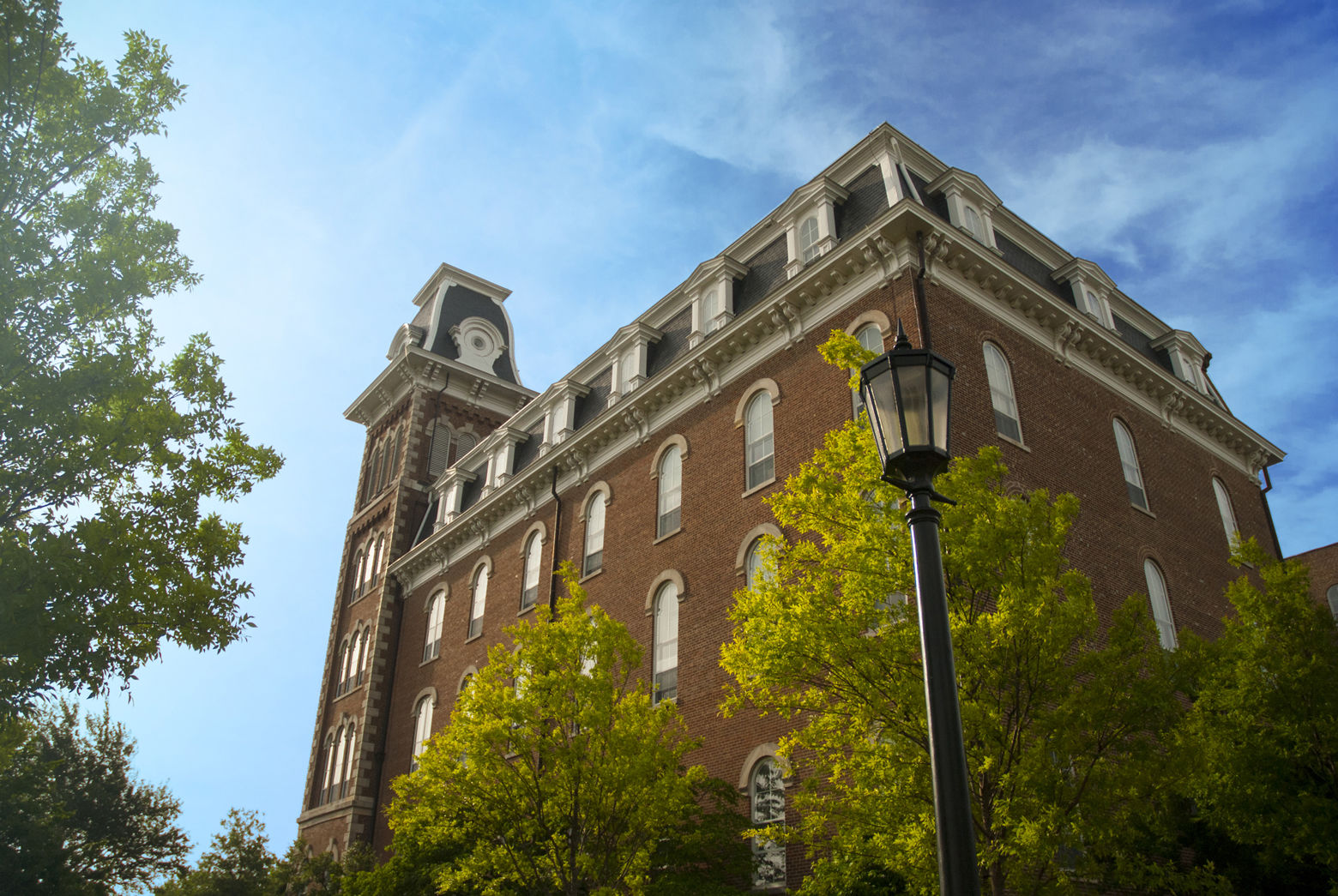
No. 4Fayetteville, Arkansas
The home of the University of Arkansas (this photo shows Old Main on the University of Arkansas campus) moves up one spot on the list due to its access to higher education, the outdoors and a growing economy.
(Thinkstock)
Thinkstock
No. 5Des Moines, Iowa
Classic homes, a vibrant metro area of 600,000 that still comes with a small-town feel, a low cost of living and access to good jobs keeps the state’s capital in the top five this year, despite a one spot drop. The city is working to clean up the Des Moines River and turn the city into a destination for paddlers.
(AP Photo/Charlie Neibergall)
AP Photo/Charlie Neibergall
No. 6Minneapolis-St. Paul, Minnesota
As this photo shows, there’s no doubt Minneapolis is cold in the winter, but the Twin Cities area is becoming more and more attractive due to its historic neighborhoods, museums and amenities associated with big cities. It moved up three places from the No. 9 spot last year. This past winter, however, the city endured some of the lowest temperatures in a generation.
(Anthony Souffle/Star Tribune via AP)
Anthony Souffle/Star Tribune via AP
No. 7San Francisco, California
San Francisco experienced a big jump in the rankings this year, moving up from No. 20 due to a hot job market, a high quality of life score and a high desirability score despite high housing costs. There’s no doubt it’s a great city in a great region, but beware: even though San Francisco residents can receive high salaries, it’s one of the least affordable cities in the U.S. and the commute is also one of the country’s worst.
(Getty Images/iStockphoto/heyengel)
Getty Images/iStockphoto/heyengel
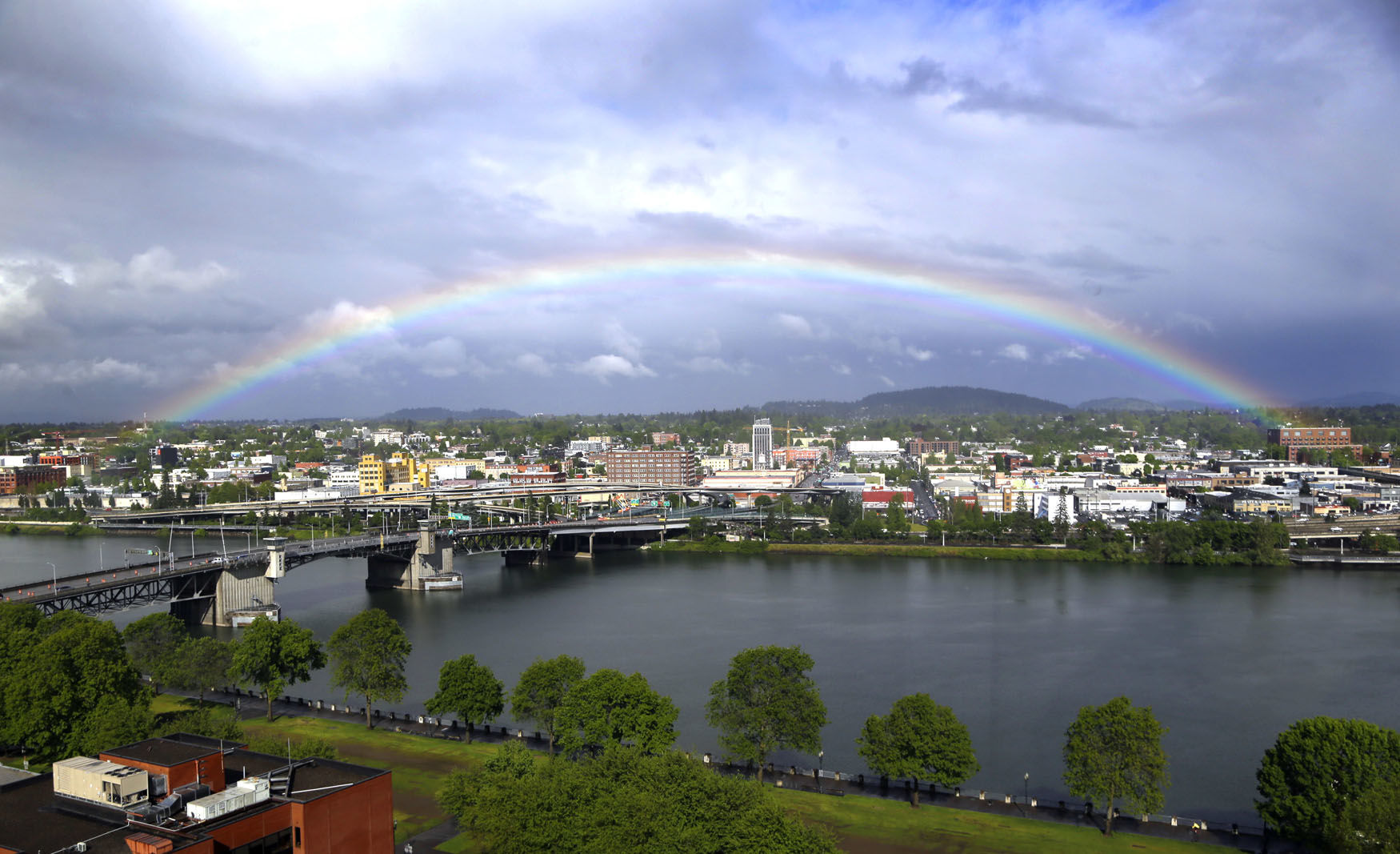
No. 8Portland, Oregon
Portland fell back a couple of spots in this year’s rankings, but it’s still a great place to live if you’re interested in a quirky culture, unique doughnuts, access to lots of outdoor activities and a solid job market boosted by big companies like Intel and a lower unemployment rate than the rest of the U.S.
(AP Photo/Don Ryan)
AP Photo/Don Ryan
No. 9Seattle, Washington
Seattle moved up one spot in this year’s ranking. Here, visitors peer inside the Pike Place Market Starbucks, commonly referred to as the original Starbucks. Actually, the first Starbucks cafe was located nearby in the early 1970s.
(AP Photo/Elaine Thompson)
AP Photo/Elaine Thompson
No. 10Raleigh/Durham, North Carolina
The area considered the research triangle, which includes Raleigh, Durham and Chapel Hill, North Carolina, moved up from No. 13. Duke University is just one of the well-known schools in the area, which also draws people due to its green spaces, technology companies and museums.
(AP Photo/Gerry Broome)
AP Photo/Gerry Broome
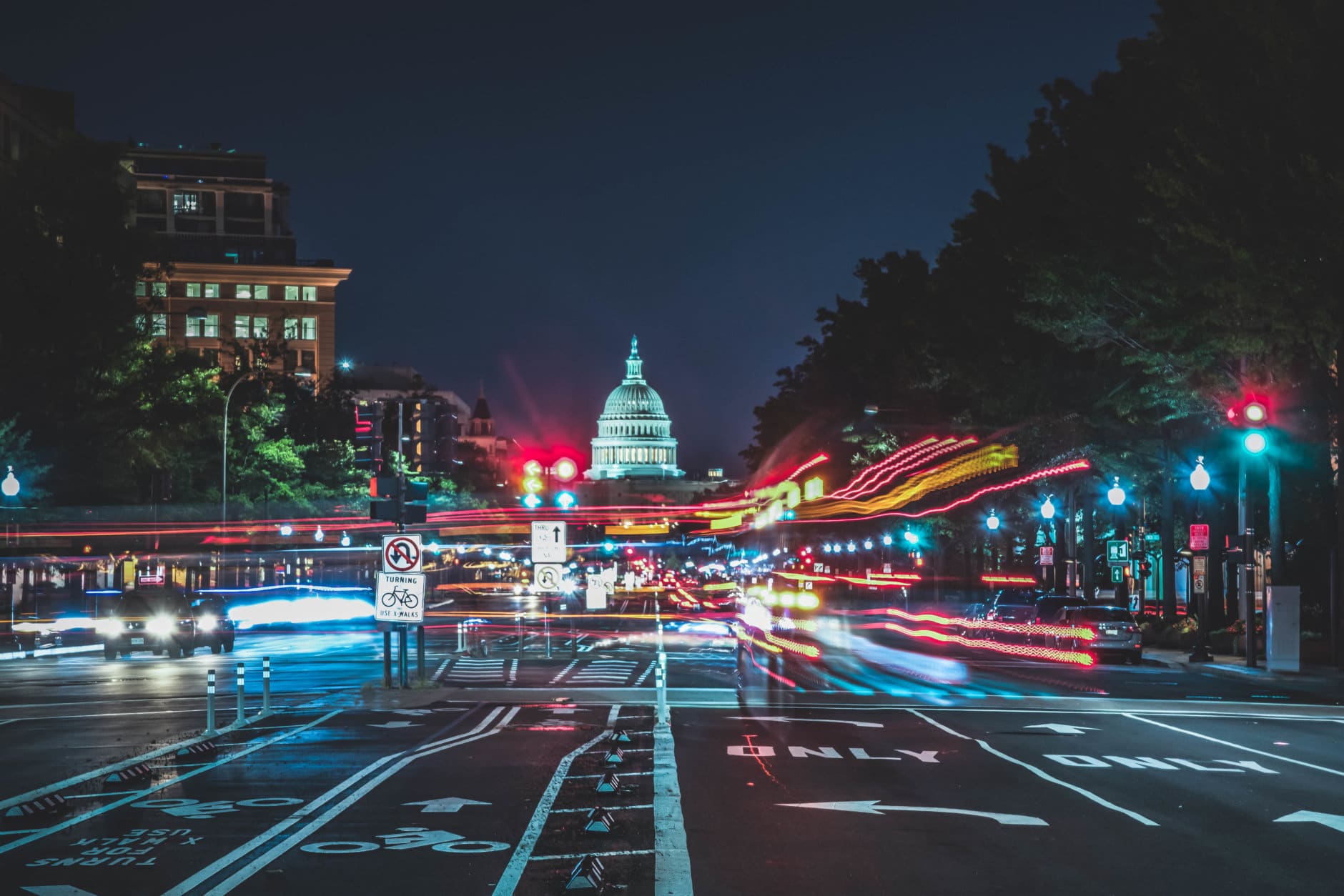
No. 19Washington, D.C.
While the District did drop in this year’s rankings, it’s still one of the most desirable places to live in the eastern part of the U.S.
(Getty Images/iStockphoto/Jesse Stafford)
Getty Images/iStockphoto/Jesse Stafford
No. 53Richmond, Virginia
The Virginia state capital moved up one spot in the rankings this year. It’s home to stately houses, wide streets, a growing university (VCU), plenty of dining and entertainment options, and the cost of living is lower than many other east coast cities.
(AP Photo/Steve Helber)
AP Photo/Steve Helber
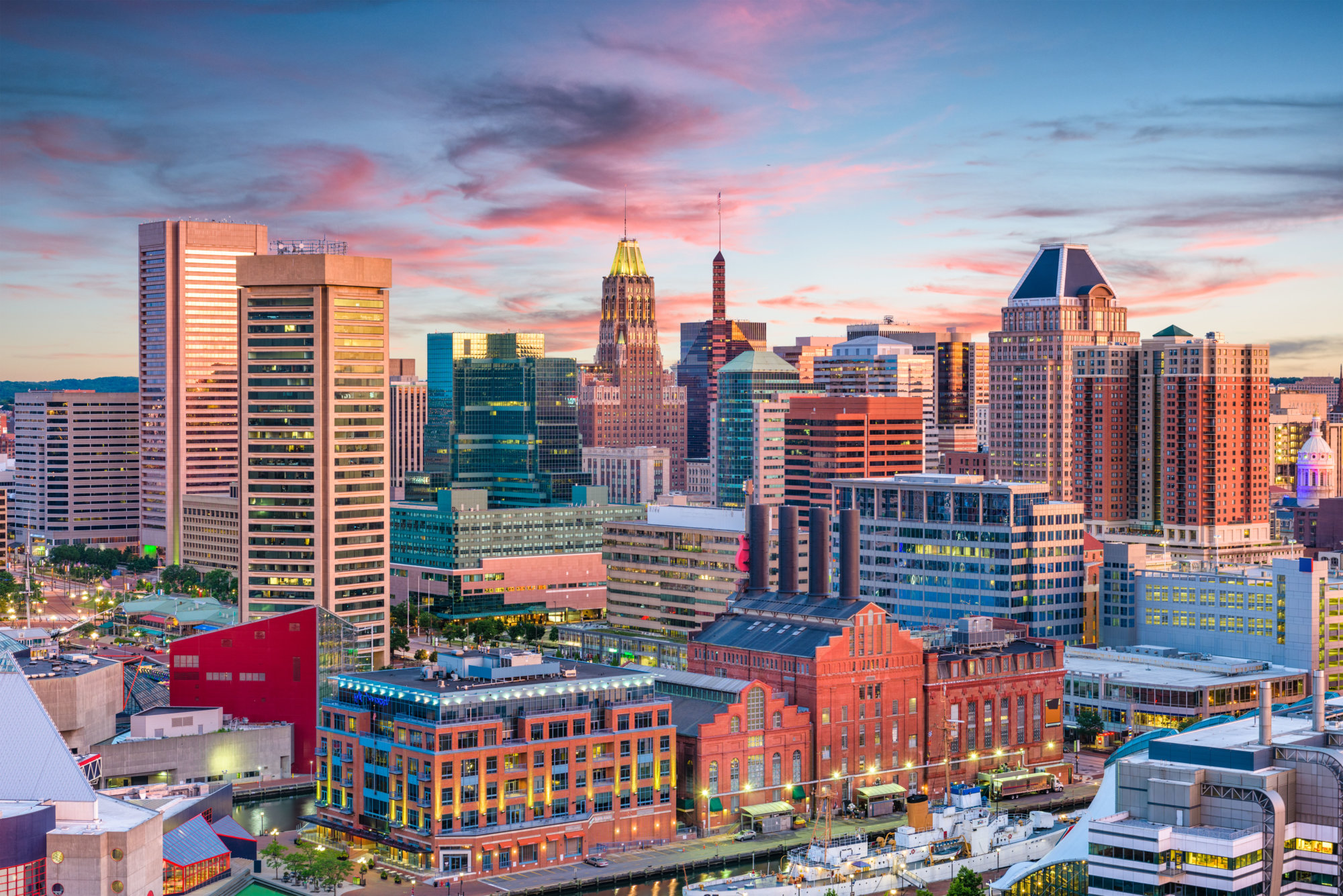
No. 100Baltimore, Maryland
Baltimore was the only Maryland city to make the list, but it dropped from No. 83 in 2018. It continues to grow and is well-situated between both Washington and Philadelphia.
(Getty Images/iStockphoto/Sean Pavone)
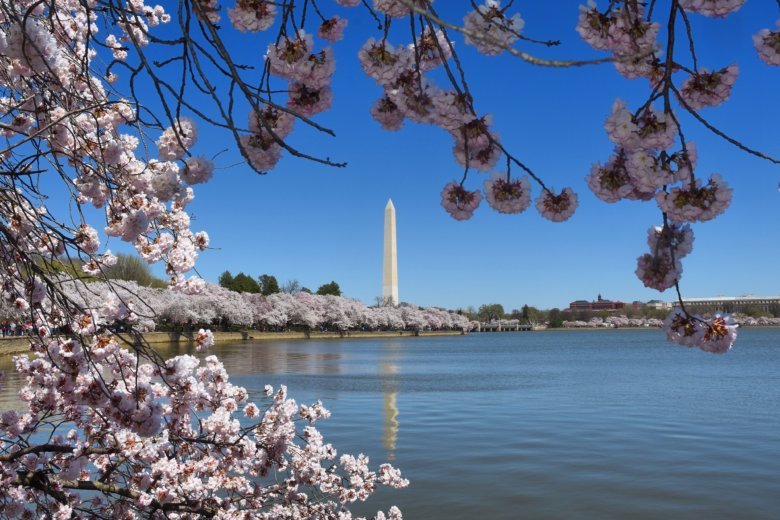
The cherry trees reached peak bloom at the Tidal Basin on Monday, April 1. (WTOP/Dave Dildine)
The cherry trees reached peak bloom at the Tidal Basin on Monday, April 1. (WTOP/Dave Dildine)
A year ago, the District ranked No. 8 on the Best Places to Live ranking from U.S. News and World Report. This year, it’s a much different story.
Despite a stable job market and good quality of life, D.C.’s high cost of living and a number of people leaving the city prompted the magazine to drop the District 11 spots to No. 19 on the list of the top 125 places to live in the U.S.
For the third straight year, Austin, Texas took the top spot, while a number of seemingly popular cities in the northeastern part of the country failed to crack the top 20.
For example, while many people are drawn to the bright lights and skyscrapers of New York, the Big Apple checks in way down the list at No. 90.
The publication compiled its list based on the following rubric: a city’s job market strength, including jobs and median income, was worth 20%; its cost of living was worth 25%; quality of life , including schools and morning commute time, was worth 30%; and the combination of whether people wanted to move to a city and the net number of people moving into or leaving a city (desirability index and net migration) were worth a cumulative 25%.
Data in the rankings came from the U.S. Census Bureau, the FBI, the Bureau of Labor Statistics and U.S. News’ own research.
“D.C still performs very well, of course,” U.S. News real estate editor Devon Thorsby told WTOP — the job market is strong; median pay is high and the area’s schools are highly ranked. Still, factors such as the cost of living (24% percent of the median income, which puts D.C. in the bottom half of the list) and the morning commute (at an average 34 minutes, it’s second-worst, only better than New York) set the area back.
D.C.’s not alone — much of the Northeast didn’t fare very strongly.
“I think a lot of it is due to affordability,” Thorsby said. That is seen most clearly in housing prices, particularly around the District: “The rise in the cost of living in the D.C area, especially when the population isn’t rising rapidly … shows a bit of a disconnect between the real estate market … and what the existing population in the area can afford.”
Cities with a big jump between 2018 and this year included Asheville, North Carolina (24 to 16) and Sarasota, Florida (34 to 18). See the full ranking in the table below:
Dan Friedell is a digital writer for WTOP. He came to the D.C. area in 2007 to work as digital editor for USATODAY.com, and since then has worked for a number of local and national news organizations.