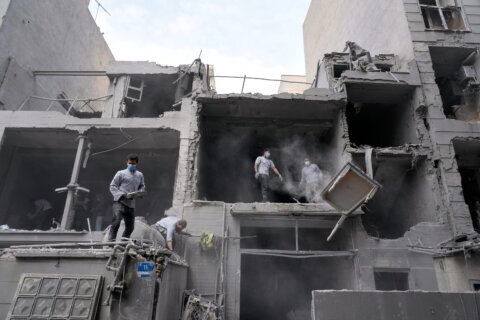
In just the last 24 hours, the conflict between the U.S., Israel and Iran has crossed into something bigger.
This is no longer a contained regional fight defined by airstrikes and military targets. It’s turning into a broader crisis that’s starting to affect energy supplies, global alliances, proxy groups and even stability inside countries far from the battlefield.
One of the clearest signs of that shift is Israel’s reported strike on Ali Larijani and Gholamreza Soleimani. These weren’t routine targets.
Larijani was a central figure in Iran’s leadership, someone deeply tied to national security, diplomacy and the inner workings of the regime. Soleimani, as head of the Basij, was tied directly to maintaining control inside the country.
Taken together, these strikes suggest Israel is no longer just trying to weaken Iran’s military. It is going after the people and structures that help the system hold together.
That matters because it changes how Iran sees the war. When leadership figures and internal control systems are hit, it no longer looks like a limited conflict. It starts to look like a threat to the survival of the system itself. And when a country feels that way, escalation doesn’t feel optional. It starts to feel inevitable.
At the same time, the response is spreading. The attack on the U.S. embassy in Baghdad, using rockets and drones, shows that Iran’s network of allied groups is becoming more active.
This isn’t just about hitting back. It’s about showing that Iran can respond in multiple places at once without taking on the U.S. and Israel directly in a head-on fight. The battlefield is no longer just where armies meet. It’s wherever influence and reach can extend.
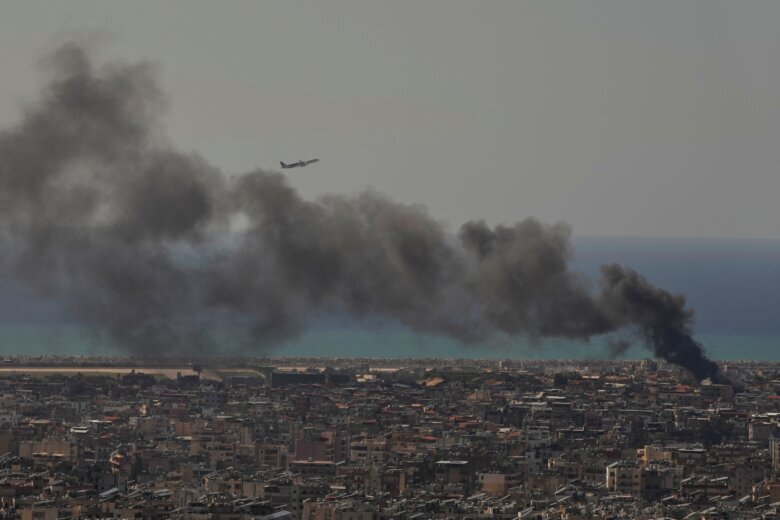
The situation in Lebanon adds to that picture. Even without complete clarity on the full scope of Israeli operations there, the direction is clear. The war is opening new fronts faster than diplomacy can keep up. Every new front brings more actors, more risks and more chances for something to go wrong. This is how conflicts spread. Not all at once, but step by step, until control starts to slip.
But the most important part of this story may not be happening in Iran or Lebanon. It’s happening in the Strait of Hormuz.
This is where Iran has real leverage. Not because it can defeat the United States or Israel in a direct fight, but because it can disrupt one of the most important energy routes in the world.
The rise in oil prices and the hesitation from U.S. allies to get involved in securing the strait show how powerful that leverage is. Iran is using geography and global dependence on energy to apply pressure far beyond the battlefield.
That creates a clear contrast in how each side is fighting. The United States and Israel are using precision and military strength to hit key targets. Iran is using disruption to raise the cost of the conflict for everyone else.
And in that space, it’s having an impact.
The hesitation from European allies to fully engage in protecting the Strait of Hormuz is telling. It suggests uncertainty about where this war is heading and concern about getting pulled deeper into it. It also shows that unity among allies is not guaranteed, especially as the conflict becomes more complex. Iran appears to understand that and is pushing where those cracks might widen.
Inside the United States, the effects are already being felt, but not in the way people might expect.
There’s no clear sign of an imminent large-scale attack. Instead, the risks are more subtle and harder to track. Cyber activity, influence campaigns and isolated threats are all part of the picture. At the same time, mixed or incomplete messaging from government agencies can make it harder for people to understand what’s real and what isn’t.
That’s a defining feature of modern conflict. It’s not just about physical attacks. It’s about shaping how people understand what’s happening and how they react to it.
Put all of this together, and a clear picture emerges. This war is no longer just about who can hit harder or faster. It’s about who can create the most pressure across the entire system surrounding the conflict.
Israel is showing it can reach into the highest levels of Iran’s leadership. Iran is showing it can affect global markets, activate networks across the region and test the strength of international alliances.
One side is focused on individuals and leadership. The other is focused on systems and pressure points.
That combination is what makes this moment especially dangerous. Because once a war starts affecting everything around it, it becomes harder to control, harder to contain and much more likely to spread beyond where it started.
Get breaking news and daily headlines delivered to your email inbox by signing up here.
© 2026 WTOP. All Rights Reserved. This website is not intended for users located within the European Economic Area.