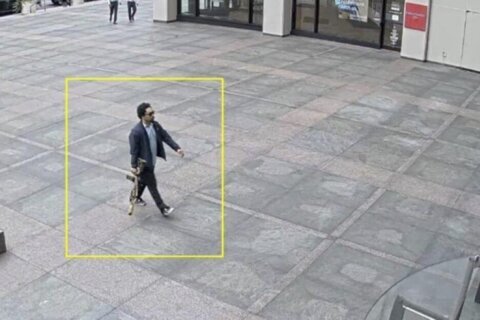
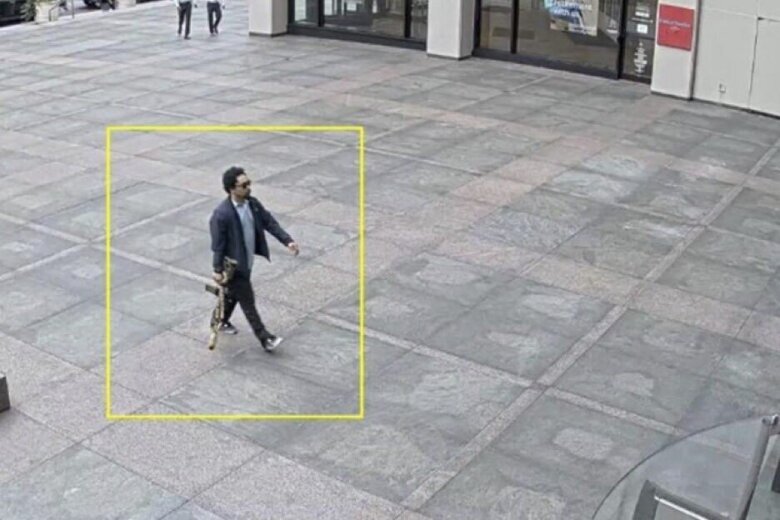
The shooting Monday at a midtown Manhattan office building — carried out by a man armed with an M4-style rifle — was a chilling reminder of how fragile public safety can be when a determined assailant strikes, even in one of the most densely populated places on the planet.
The armed attacker walked from a double-parked car into the building, and no one intervened. The question isn’t just how he did it, but why no one said anything.
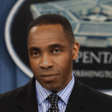
According to Scott Stewart, vice president of protective intelligence at TorchStone Global, it was a tragic example of a broader national vulnerability.
“Sometimes it takes people a little while to get over that denial and to really process what’s happening and what’s going on,” Stewart said.
Denial kills
Stewart, a former diplomatic security agent who’s studied dozens of violent incidents, told WTOP in an interview that the mindset of disbelief is a common thread among people everywhere.
“This can’t happen here. This can’t happen to me. This can’t be him,” he said.
That mental block — the refusal to believe danger is real until it’s too late — delays action when every second matters.
In this case, Stewart said the shooter, 27-year-old Shane Tamura, of Las Vegas, was unprepared.
“Clearly, the attacker didn’t understand the layout of the building — how the elevators work or how to get up to the targeted floors,” Stewart said. “Even in a poorly planned and executed attack, people can die.”
Even though most people were caught off guard at 345 Park Ave., the location of the shooting, experts like Stewart say most attackers don’t erupt without warning.
There are signs — grievances, threats, obsessions.
“There’s almost always what we call leakage in these cases before something happens,” he said. “It’s only in retrospect that people say, ‘Oh yeah, we knew that was going to happen.’”
Whether those signs appear online, in the workplace or within families, they often go unreported until after tragedy strikes.
“As we hear more about this case in the weeks that come, we’re going to find out there were a lot of indications he was posing a danger to himself and others,” Stewart said.
Complacency is the new vulnerability
“Security is everyone’s job,” Stewart said. “It’s not just the job of the police. It’s not just the job of corporate security. It’s really society’s responsibility.”
Most violence today doesn’t come from organized terror groups. According to the Global Terrorism Index, produced by the START Program at the University of Maryland, 98% of deaths from terrorism in the U.S. since 2006 were attributed to lone actors — people already embedded in the community.
This makes neighbors, co-workers and bystanders the most likely witnesses to early warning signs, and the most critical line of defense.
“We have much more exposure to them than the police do, than the FBI,” Stewart said.
And yet, Americans have grown hesitant.
And according to Stewart, “People say, ‘I just want to mind my own business.’ But keeping each other safe is everybody’s business.”
‘See something, say something’ needs fresh coat of paint
Ironically, the “See Something, Say Something” campaign originated in New York City in 2002, shortly after the 9/11 attacks. Developed by the Metropolitan Transportation Authority, it was designed to encourage vigilance in public spaces, especially transit hubs. The goal was simple but powerful: empower everyday New Yorkers to report suspicious behavior before tragedy struck.
Plastered on subway cars, buses and billboards, the slogan quickly became iconic across the city and later the country.
But Monday’s deadly shooting was clear evidence that the campaign, more than 20 years old, is a relic that few remember. But the shooting Monday that left four dead and one injured is an indication the campaign should be resurrected, according to Stewart.
“See something, say something” isn’t just a catchphrase, it’s a front line defense strategy.
“That has to happen way before the gun comes out,” Stewart said.
Prevention, he warns, isn’t passive, it’s urgent, deliberate and personal. In today’s world, it’s not optional, it’s a shared duty that could mean the difference between life and death.
Get breaking news and daily headlines delivered to your email inbox by signing up here.
© 2025 WTOP. All Rights Reserved. This website is not intended for users located within the European Economic Area.