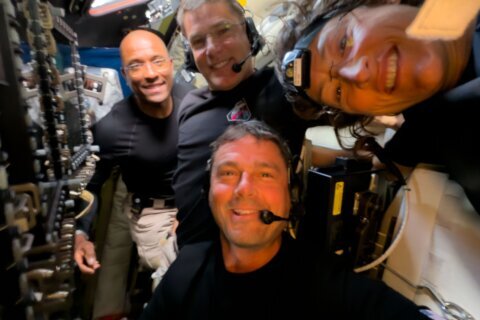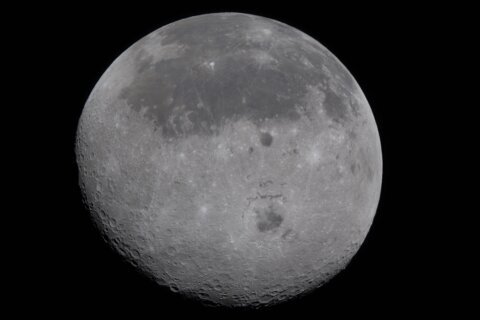

As four astronauts make history in space, students at American University are watching their every move.
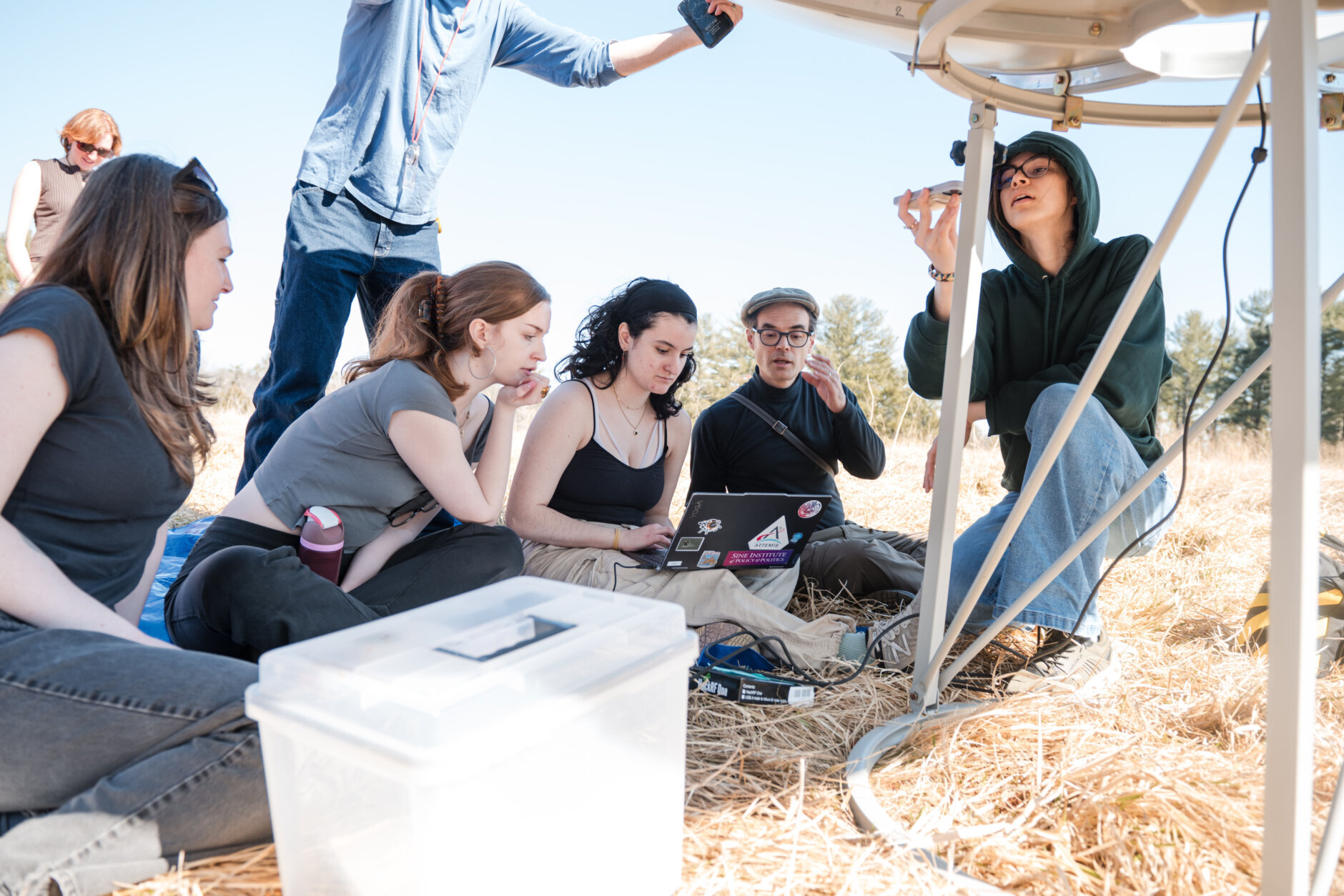
AU is one of eight universities worldwide that NASA selected to track the Orion spacecraft’s radio waves during the 10-day Artemis II journey around the moon.
“NASA wanted to assess universities’ capabilities for tracking objects as they leave Earth orbit,” said professor Michael Robinson, who advises the project. “So find out: where is it? How far is it? How fast is it moving?”
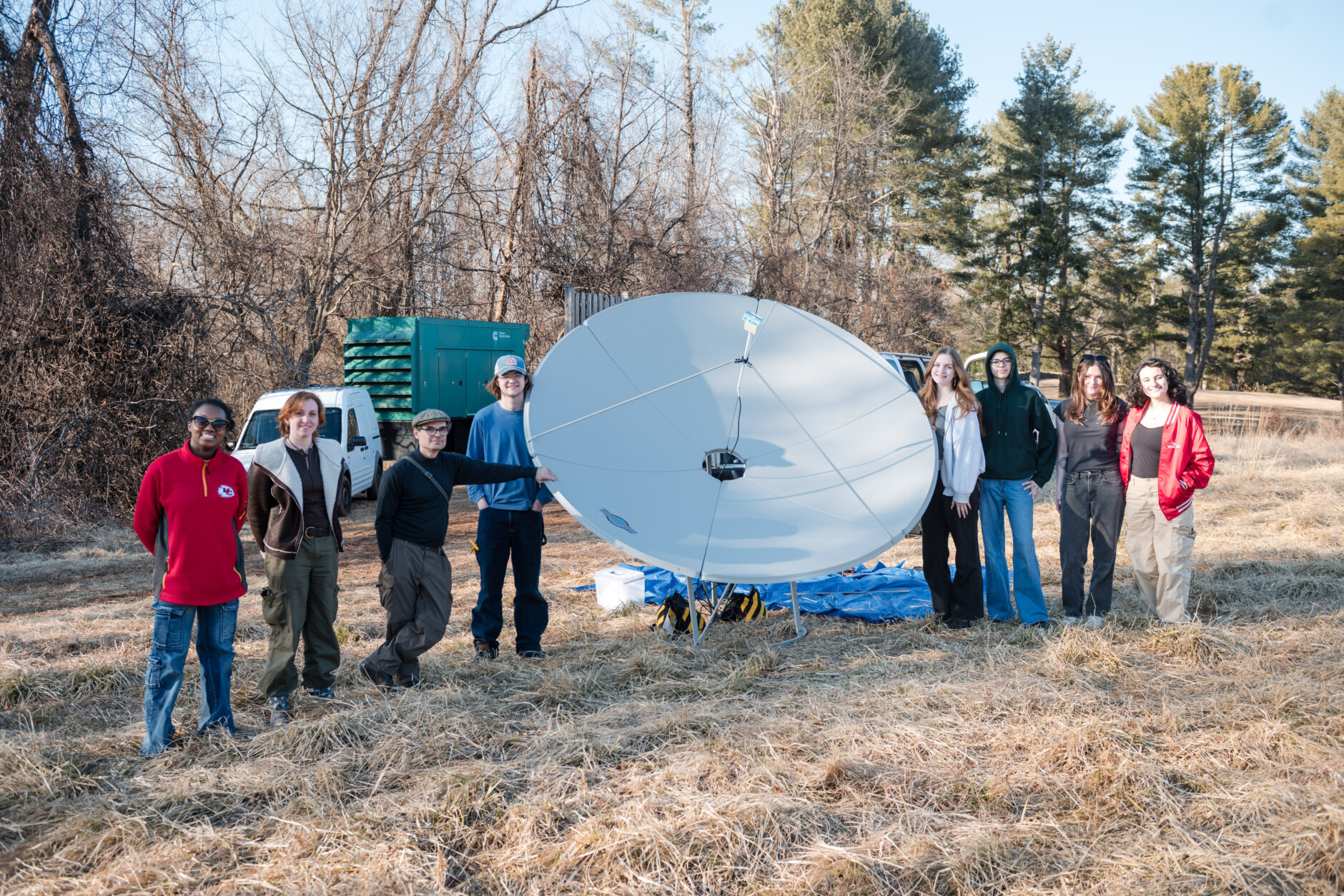
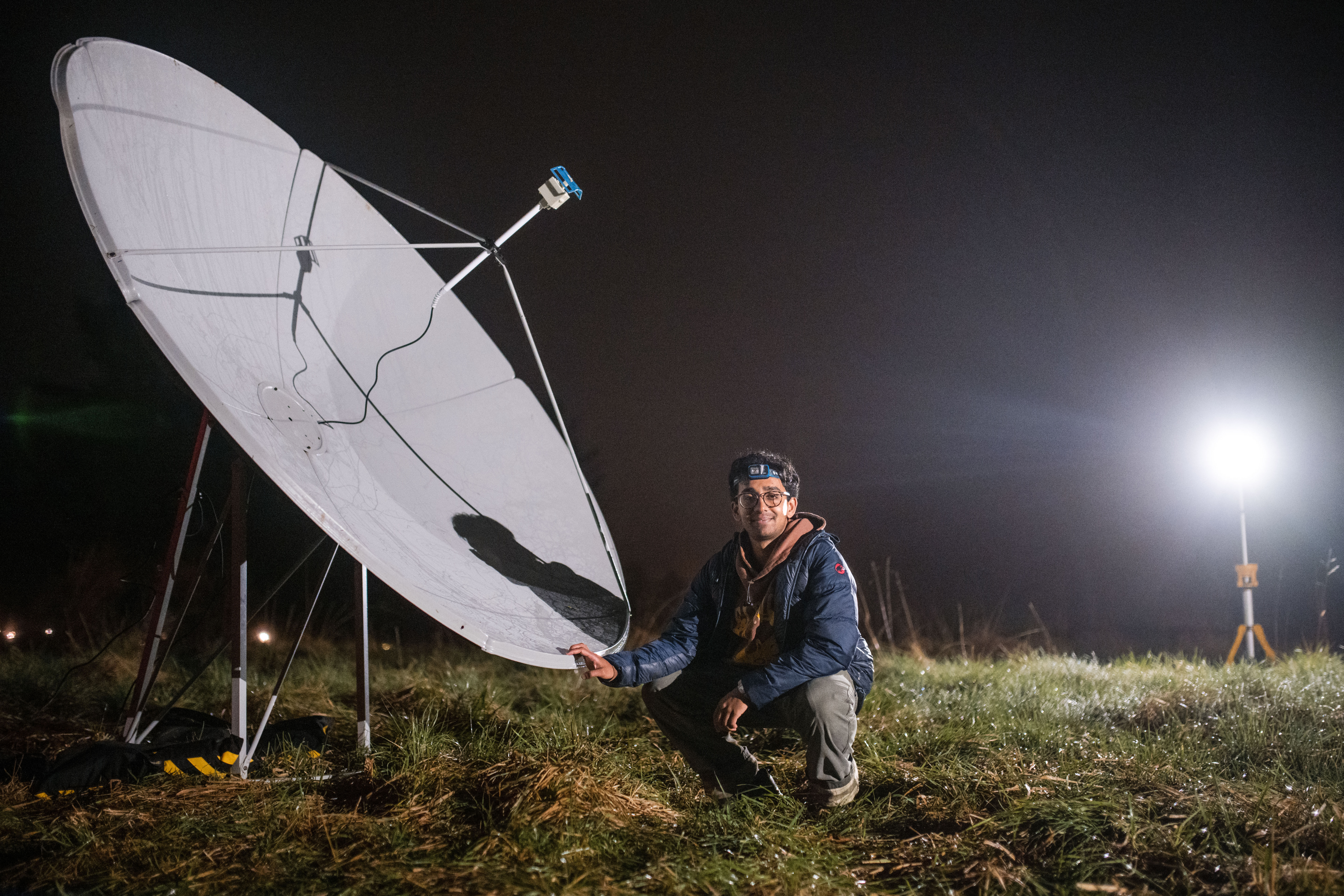
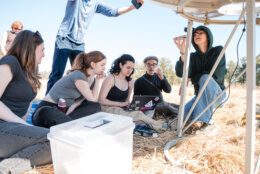
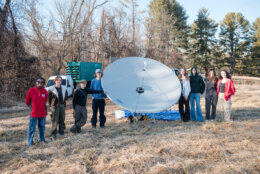
The student-led team has about 12 members and is managed by senior Ankur Purao, who told WTOP, “It’s really cool to be a part of this project.”
“It’s the farthest humans have ever gone,” Purao said. “I can tell my kids in 40 years, ‘Hey, I was part of that, and I helped do something for the Artemis mission.’”
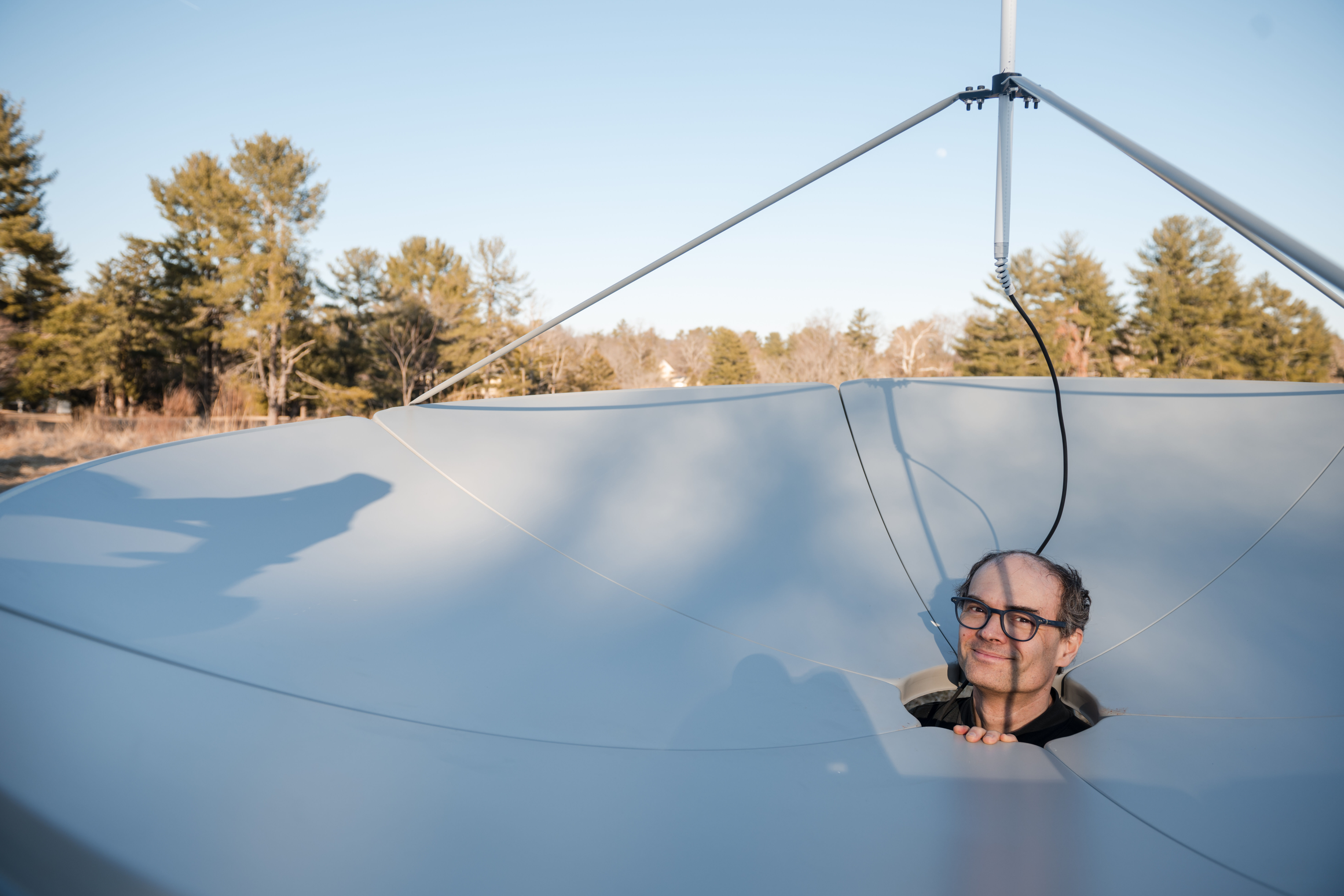
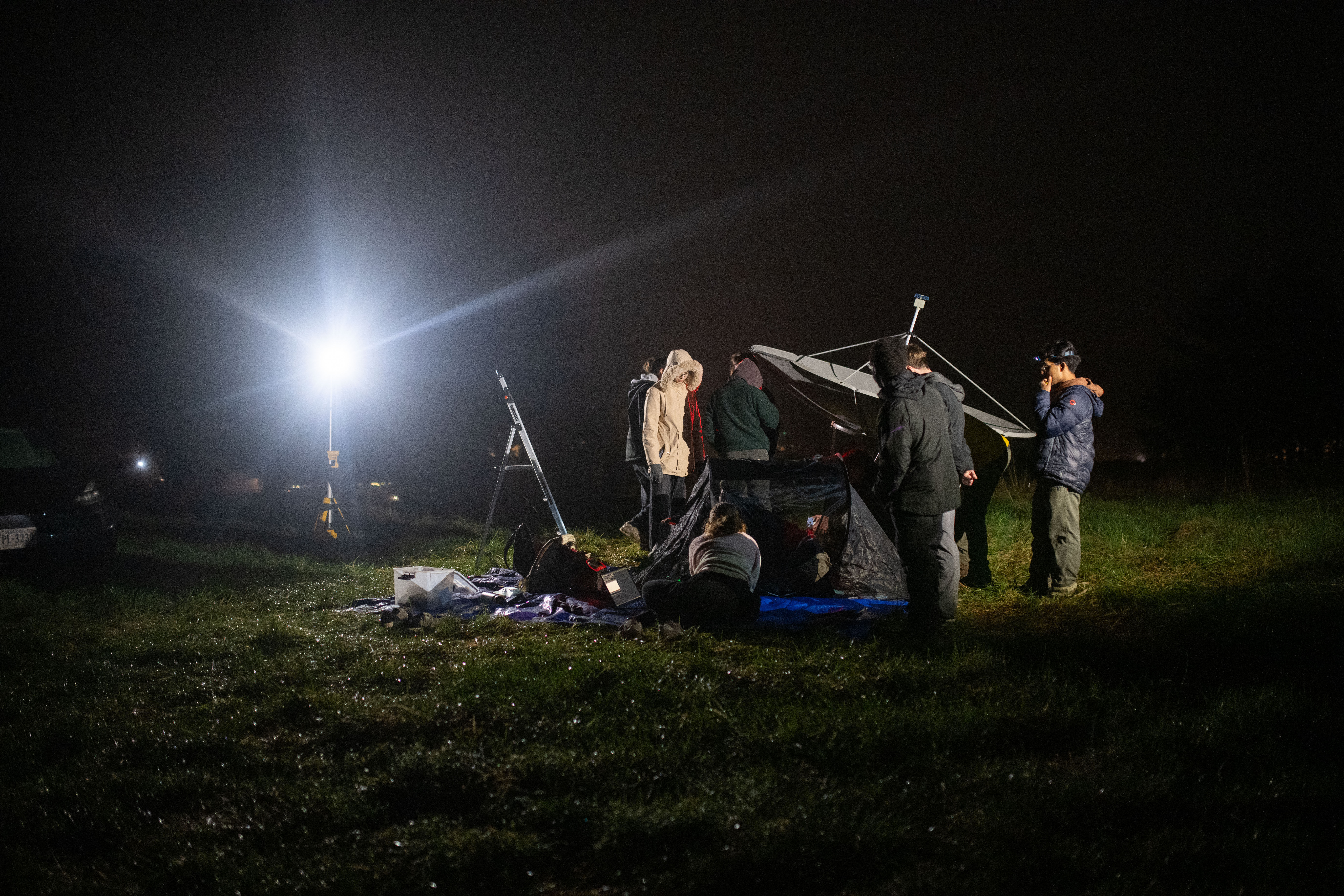
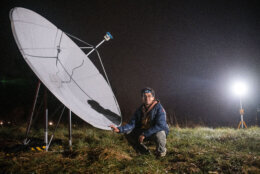
The team tracks the spacecraft from a Northern Virginia farm event center with which the school is affiliated with.
“We were trying to find a space for this project which has low radio noise that we wouldn’t find here in D.C., with all the broadcast signals,” Purao said.
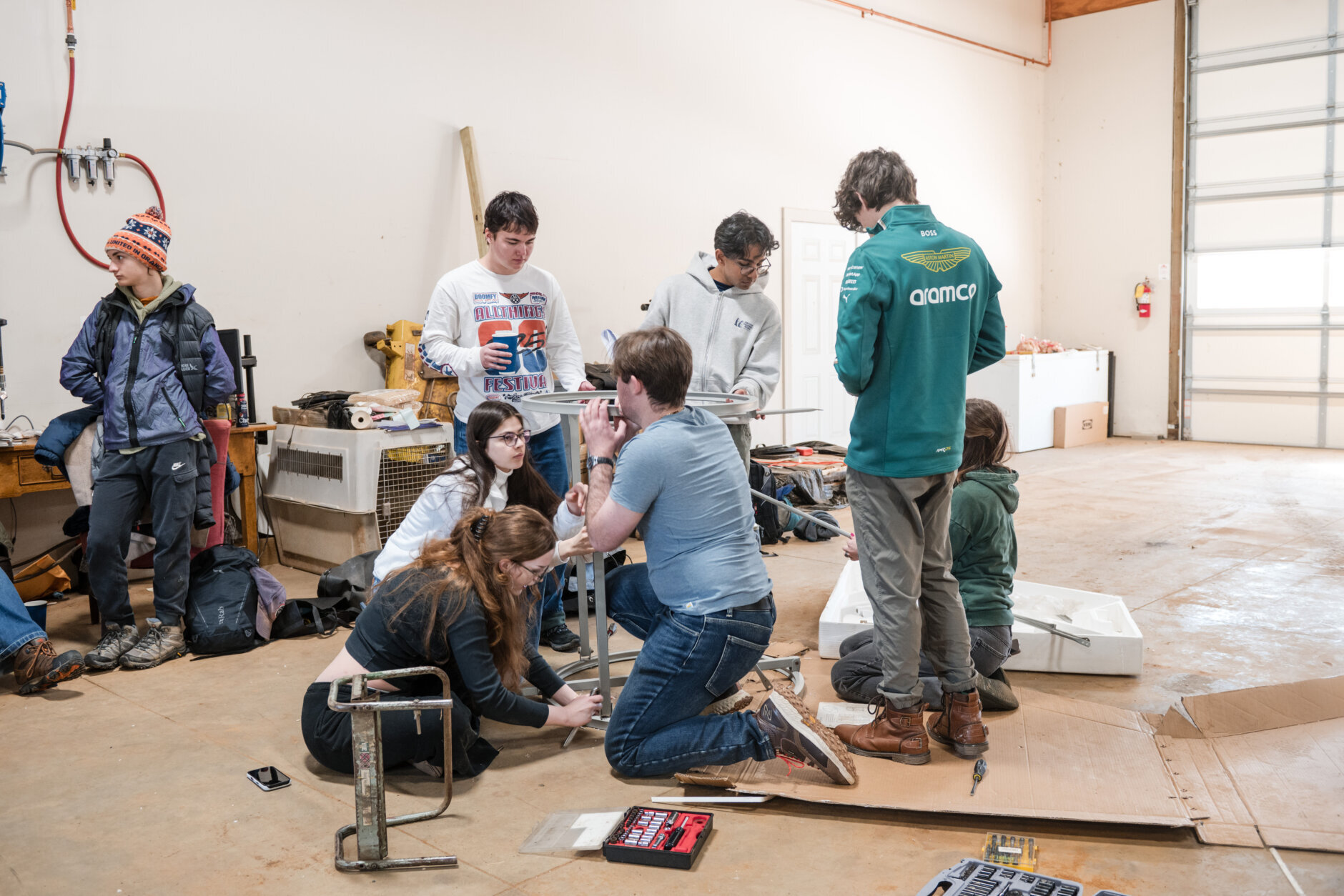
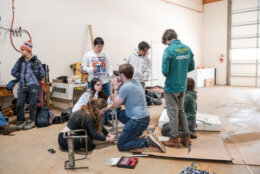
The students wrote software to program radios and equipment to search for the spacecraft.
“I think part of the experiment is to figure out the capabilities of different technological and infrastructural things like different satellite dishes, and how best they’re able to track the dish,” Purao said.
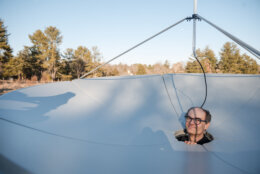
So, what did the team see using the 2.5-meter-diameter satellite dish?
“Essentially, just a little blip on a line on a computer screen, and trying to figure out which blip is the right blip,” Purao said. “If that’s something we’re actually seeing, or just a bunch of noise from whatever is out there.”
Purao confirmed they believe they found the right blip.
“We think we’ve seen it, yes,” Purao said.
The most “surprising” part of the project for Robinson is “not even scientific.”
“The excitement of the students is palpable,” Robinson said. “I have not seen this kind of excitement for science in years. The students are going from ‘almost could not turn a wrench’ to tracking a spacecraft.”
The AU team will continue to track the Orion spacecraft until it splashes down in the Pacific Ocean on Friday.
Get breaking news and daily headlines delivered to your email inbox by signing up here.
© 2026 WTOP. All Rights Reserved. This website is not intended for users located within the European Economic Area.