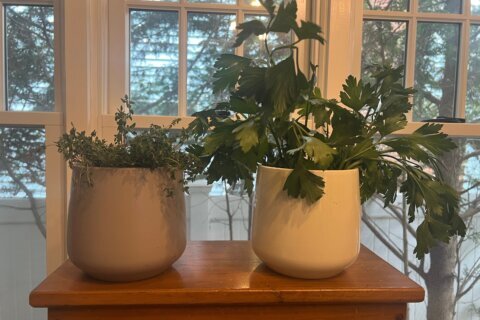
A lab that’s just a few floors above Dupont Circle Metro Station may be responsible for that favorite succulent or money tree in your home.
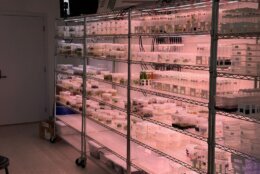
WTOP went inside the facility that is building the “shovels and picks” for plant tissue culturing and teaching hobbyists how to grow their own plants in test tubes.
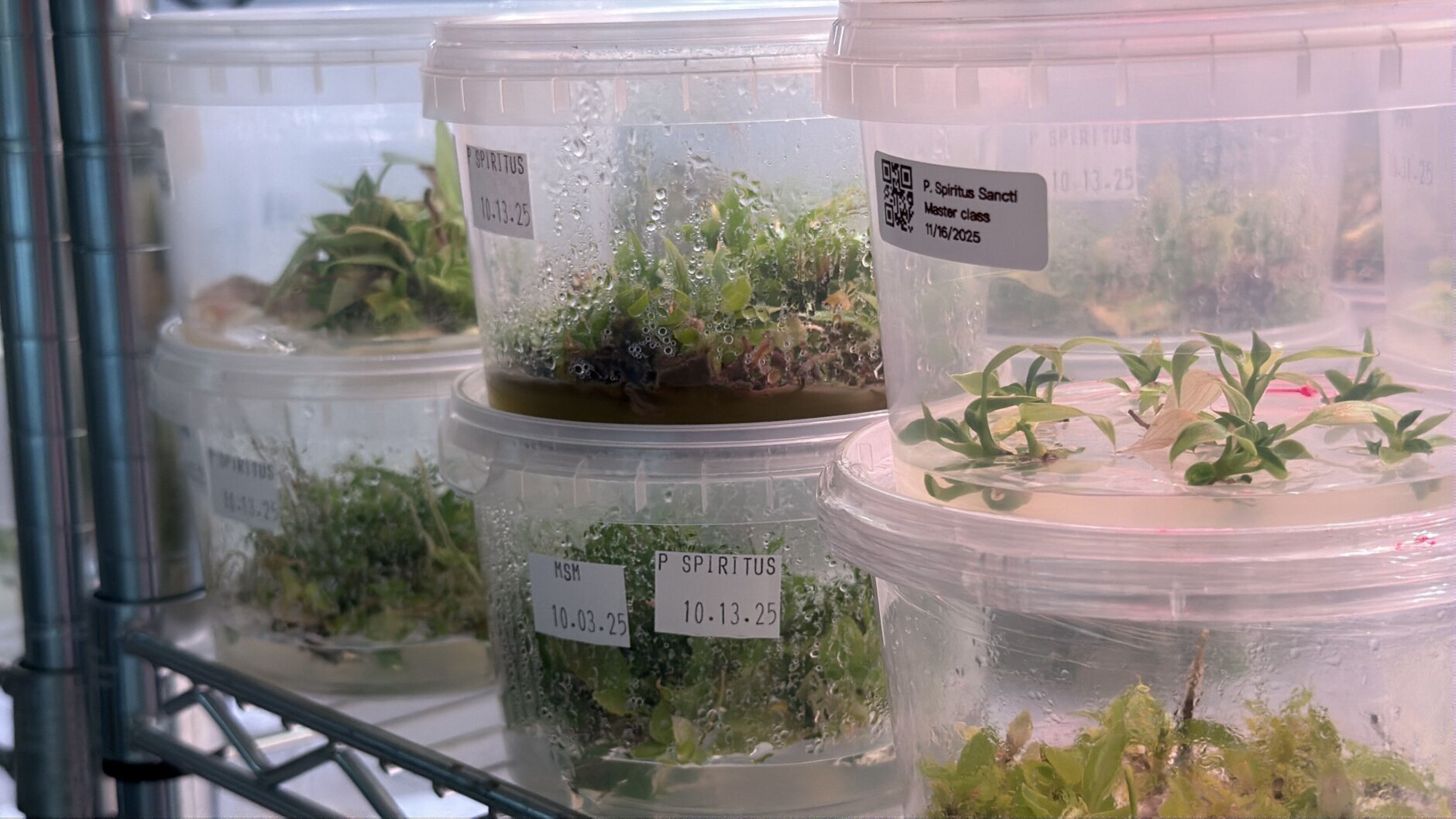
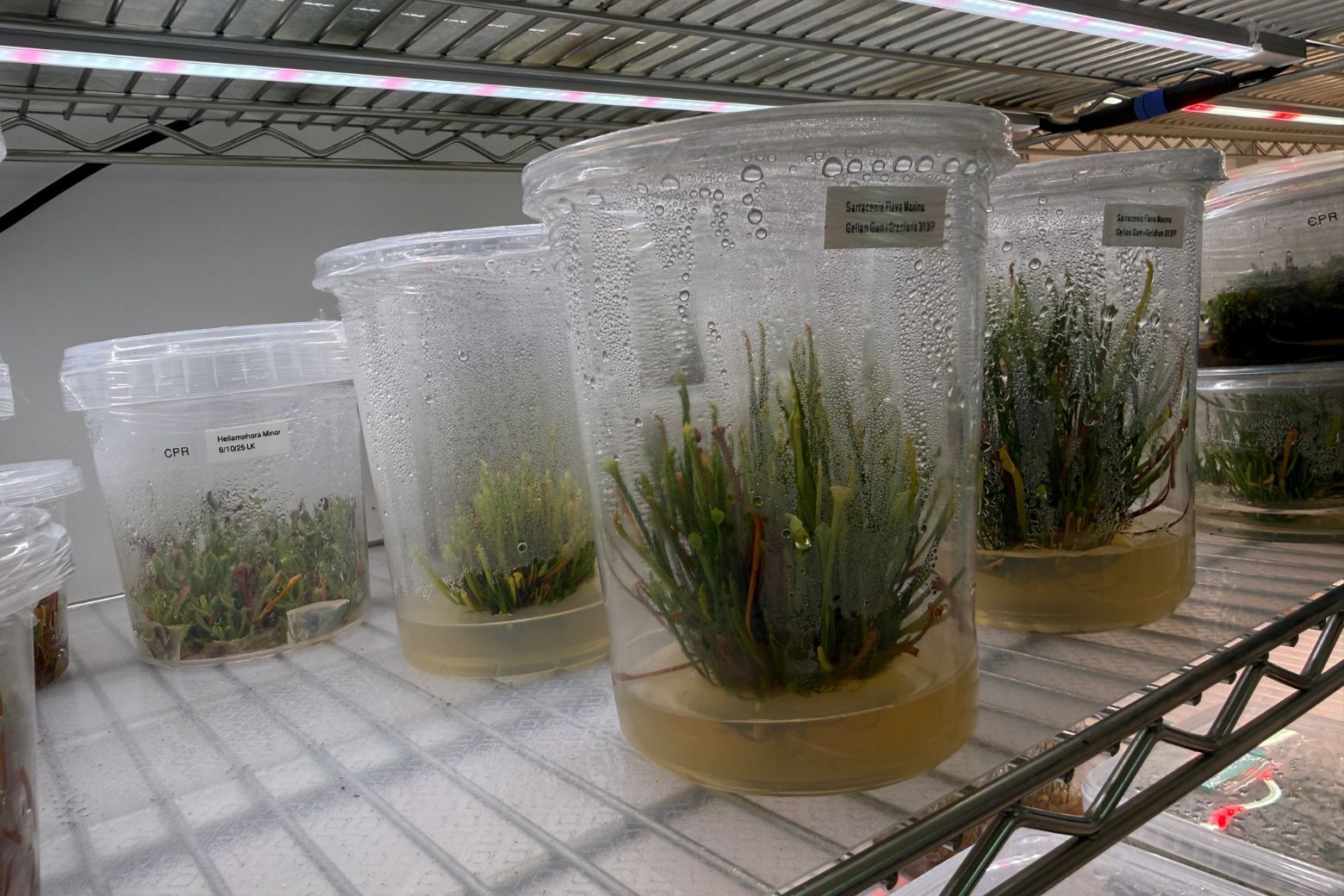
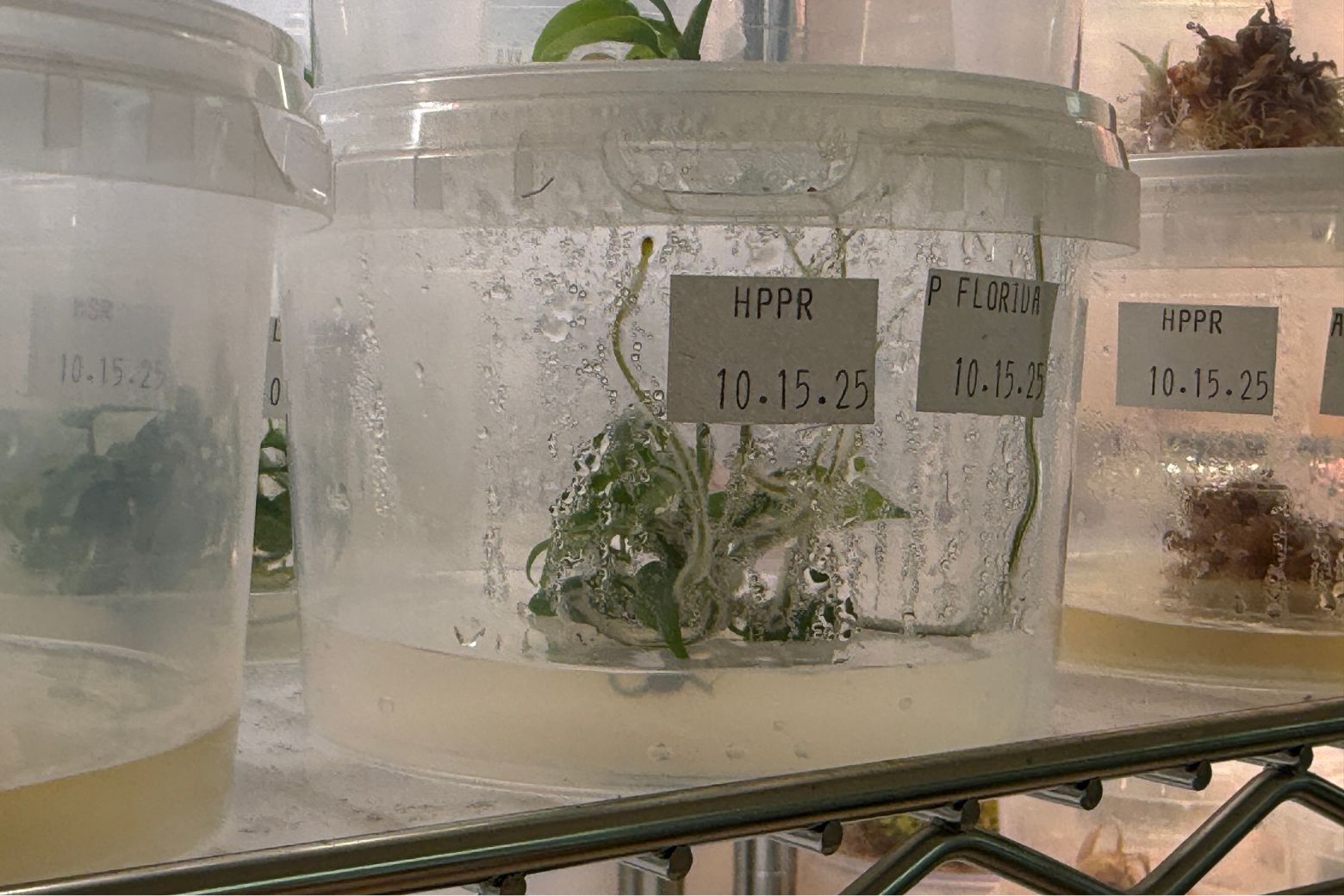
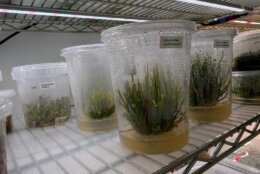
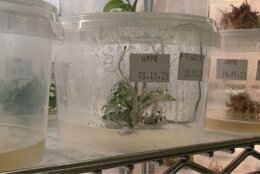
“What tissue culture is, at its simplest, is we’re growing plants in sugar, instead of plants in soil,” said Yoni Kalin the CEO of Plant Cell Technology.
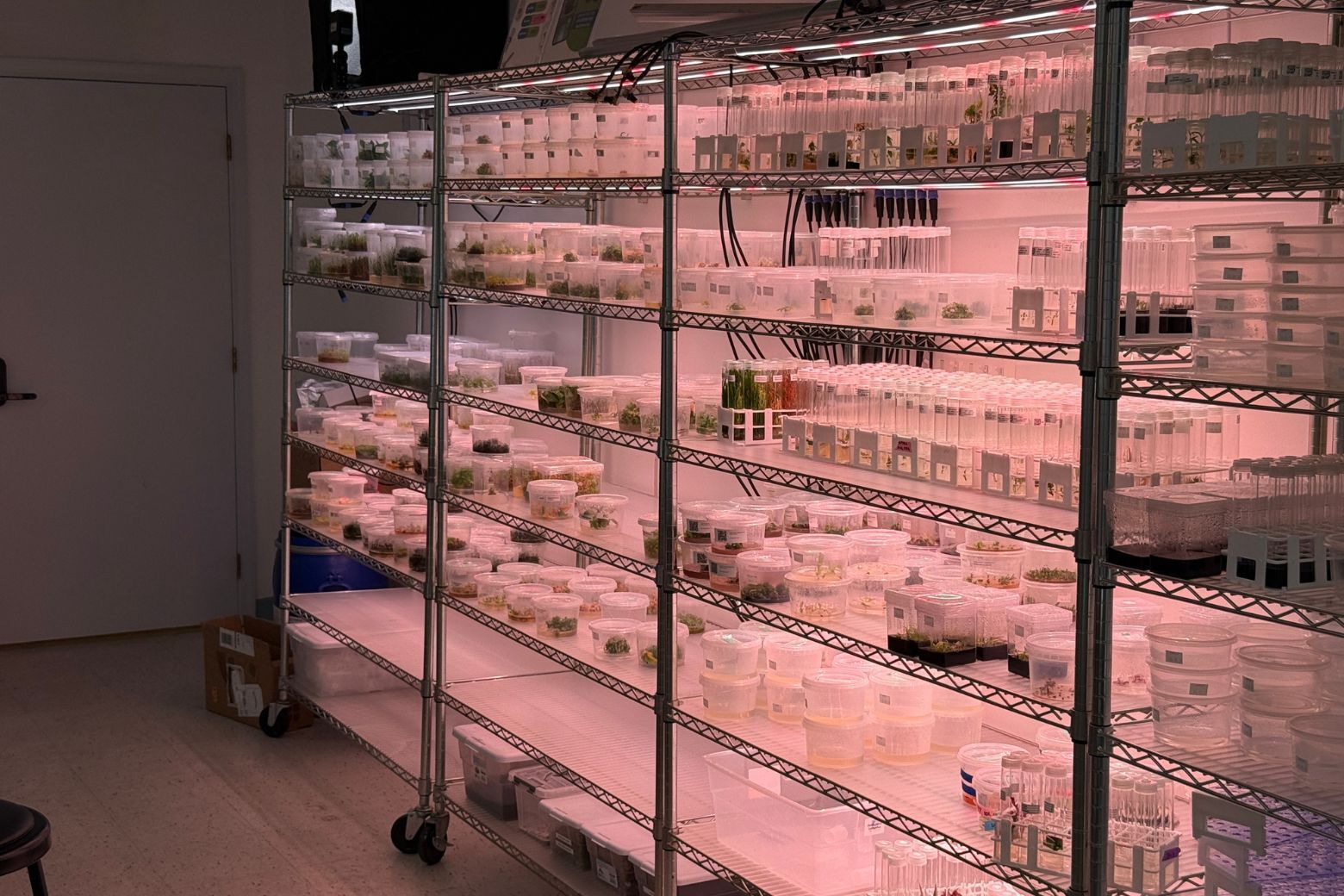
Whether they propagate the plant in a nutrient rich gel or their new more efficient bio rector, it allows nurseries to clone their bestselling plants. All they need is that nutrient-rich compound and a little bit of light.
“You go to a Home Depot, if you go to a Trader Joe’s, where do those plants come from? Fun fact, they’re all clones or a lot of them are clones,” Kalin said.
This type of technology is also why we can get fresh fruit and vegetables out of season all year long.
“When you eat blueberries in July, or you buy blueberries in September, they all taste the same. Why is that? Because they’re all clones,” Kalin said. “They’re all coming from the same mother plant.”
It allows these producers to give grocery store shoppers roughly the same size, same flavor and same nutritional composition every time.
“That’s the beauty of tissue culture,” Kalin said.
He added that this technology, which has been around for decades can also save crops from being wiped out by pests, flood or other disaster. These tissue culture plants can act like an “cloud” backup for farmers.
Beyond selling to professional nurseries, farms and research universities they also sell and provide education for hobbyists.
It’s a mission to involve more and more people in this field of plant science. Hobbyists can get a starter kit for $120 and create their own tissue cultures of plants they found outside or even their favorite orchid or cactus.
“If we can provide this tool to the masses. That means, hey, if somebody is a carnivorous plant lover, they’re going to focus on carnivorous plant conservation. If somebody is an orchid lover, they’re going to focus on orchid conservation,” Kalin said. “We’re caretakers of the earth species.”
The small lab in Dupont Circle can be seen in videos across YouTube where they have dozens and dozens of videos explaining how to make their own tissue culturing lab equipment or focus on culturing specific plant species like peace lilies and even cannabis.
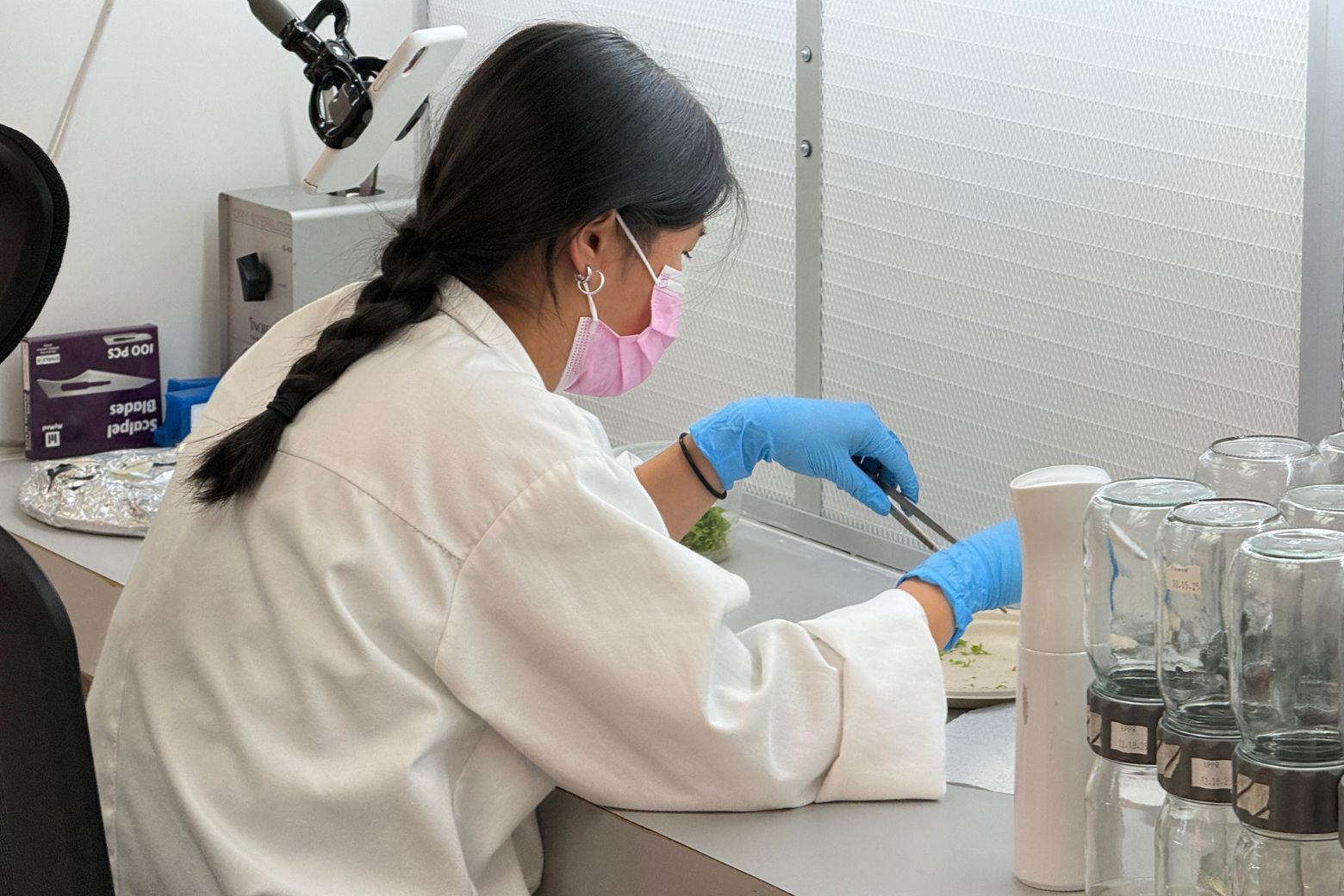
“Back in 2019 and 2020, you’d go on YouTube, and you might see somebody talking about plant physiology on a whiteboard, but you wouldn’t be able to actually watch somebody in a lab subculturing a plant,” Kalin said.
They also offer online or in-person master classes.
“We have one customer who came to our class, and he had this vision of building a plant tissue culture lab. He showed us pictures of his lab, and now he’s one of the largest suppliers of clones in the industry,” Kalin said.
“The house plants that you buy at Home Depot or plant shops that you buy and kill … We can teach you how to keep them alive, and we can teach you how to grow thousands of them.”
Get breaking news and daily headlines delivered to your email inbox by signing up here.
© 2026 WTOP. All Rights Reserved. This website is not intended for users located within the European Economic Area.