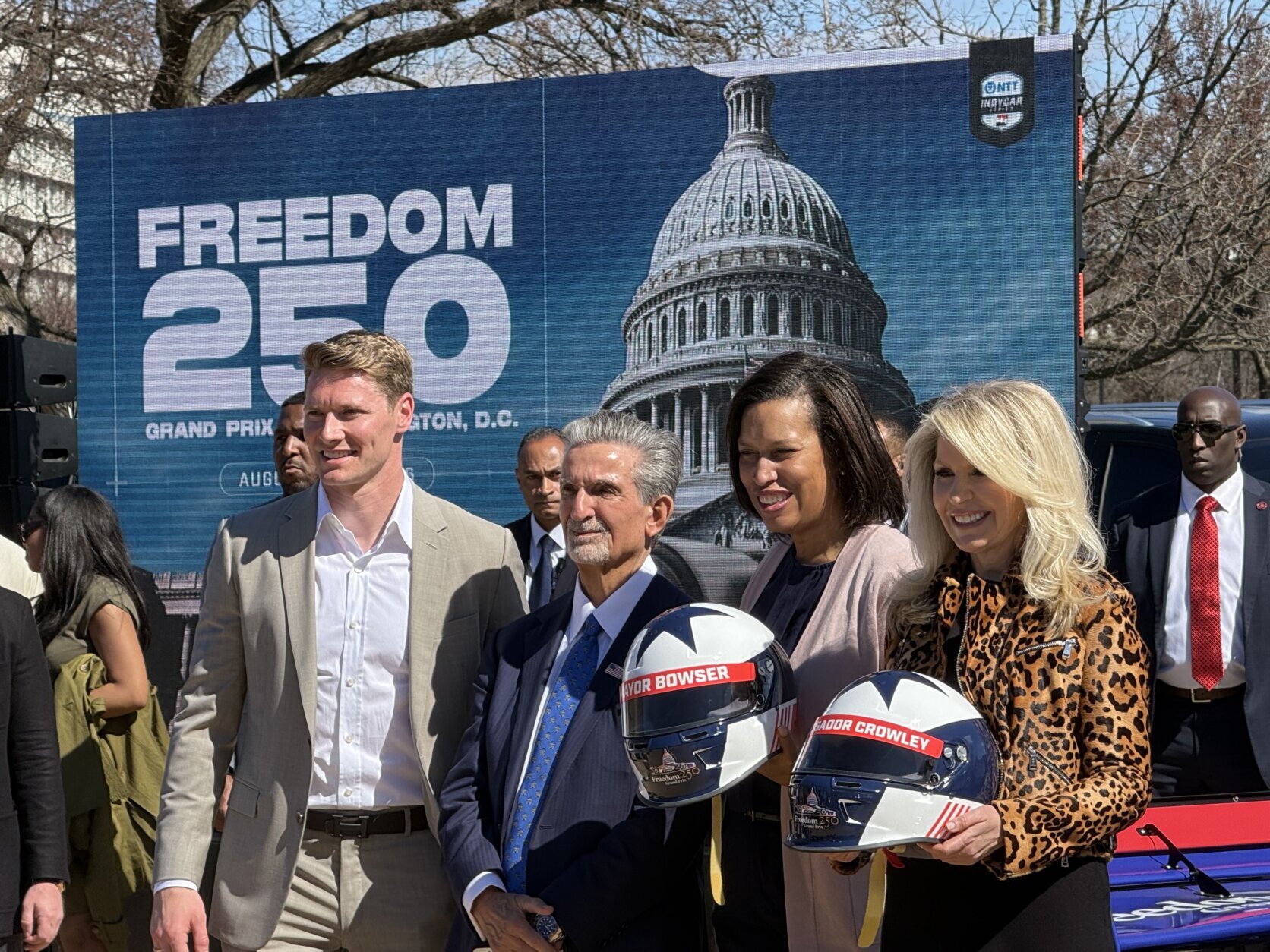
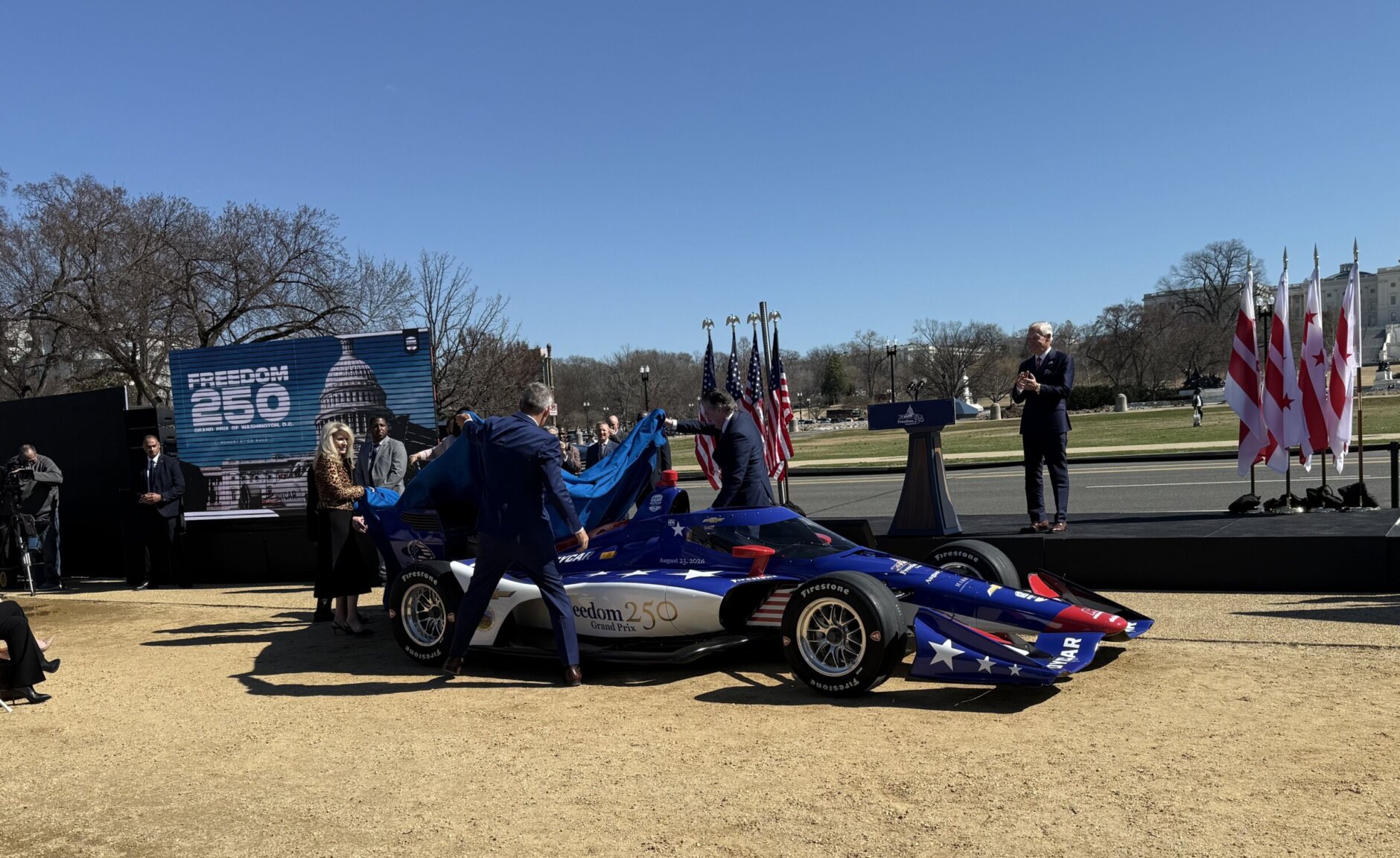
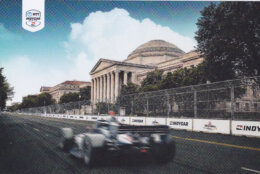
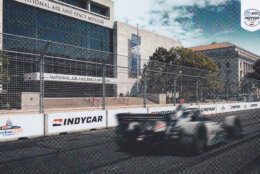
An IndyCar street race is headed to the National Mall this summer, putting high‑speed racing in the heart of D.C. as part of the nation’s 250th birthday celebration.
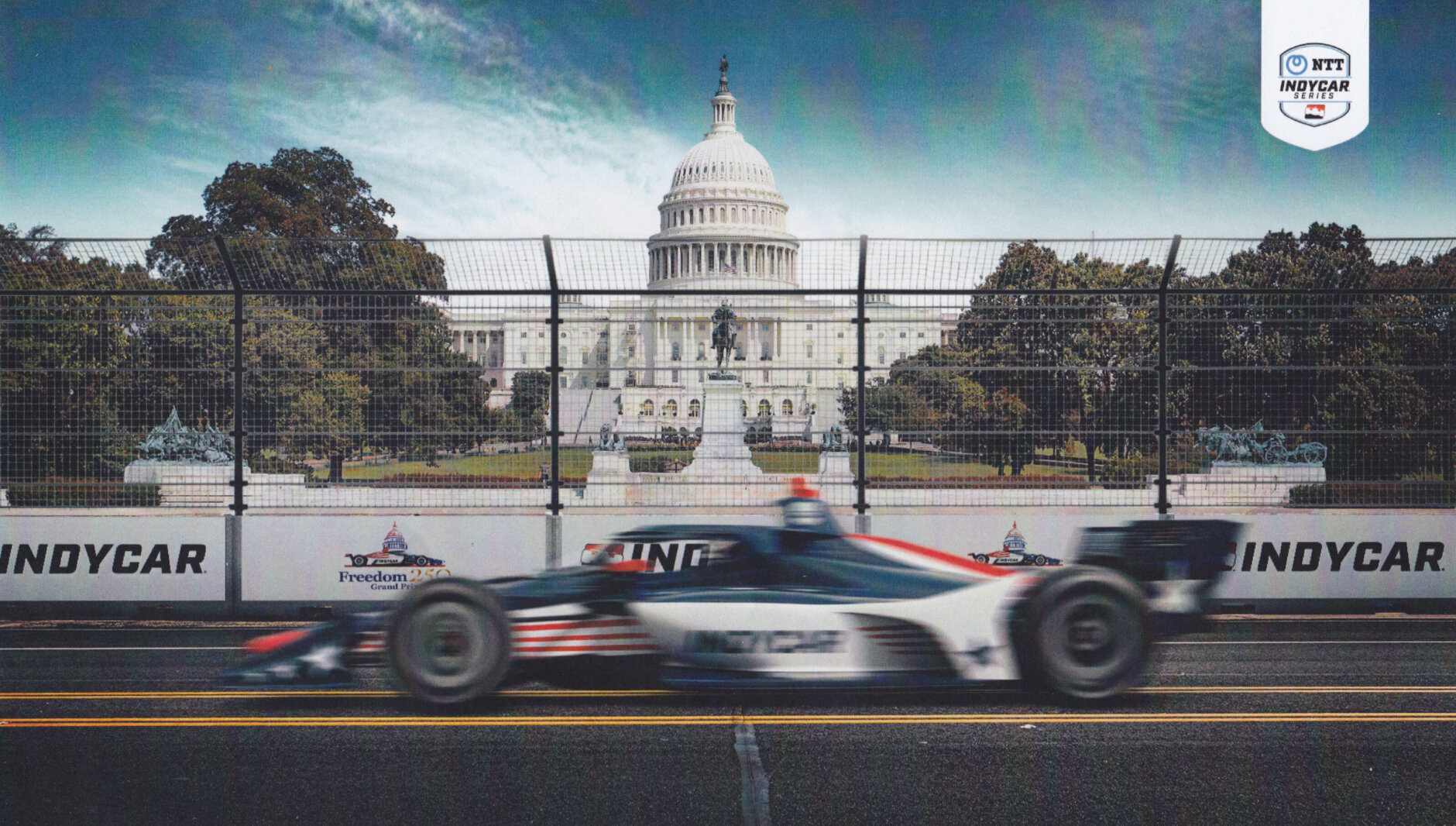
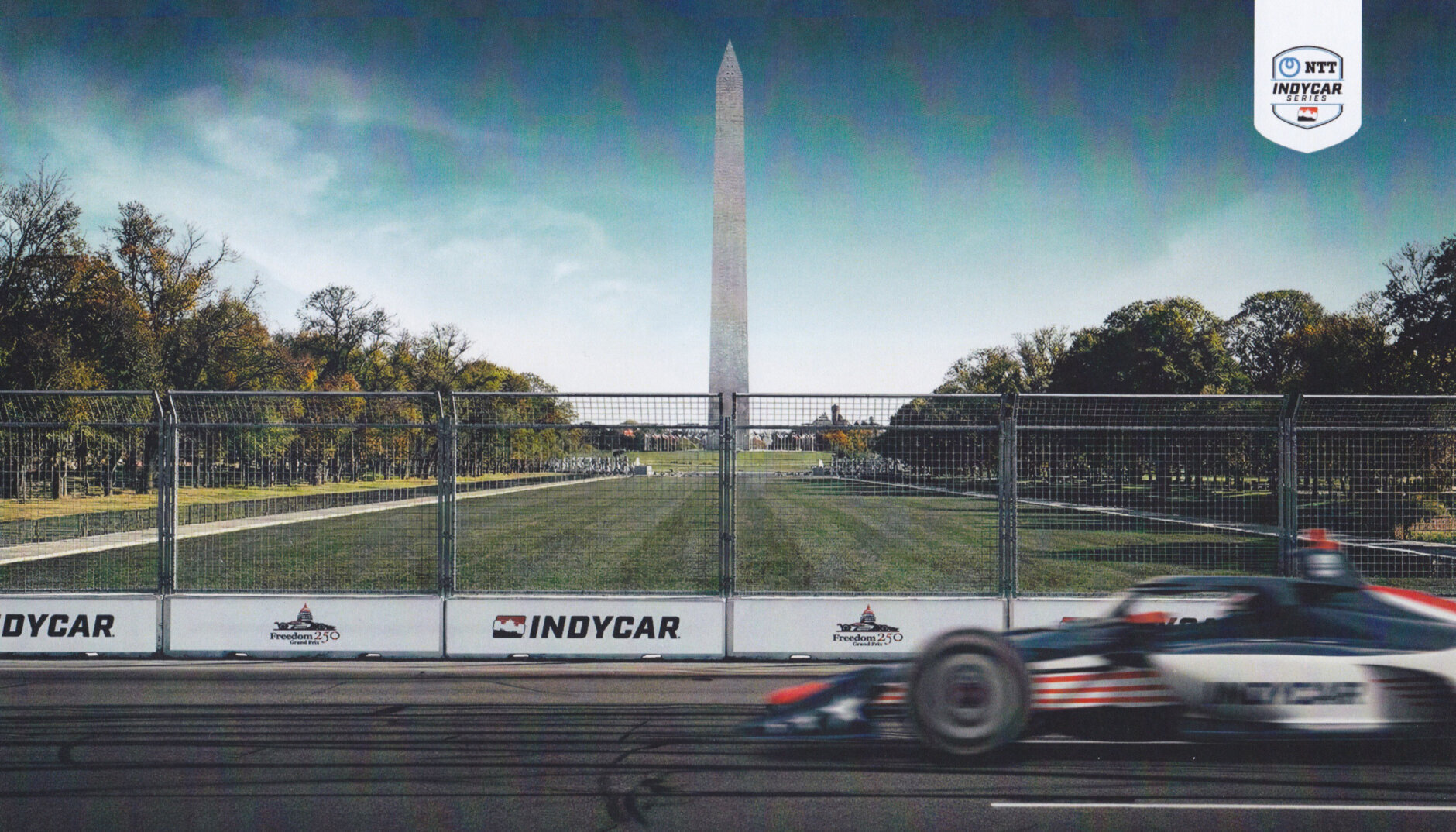
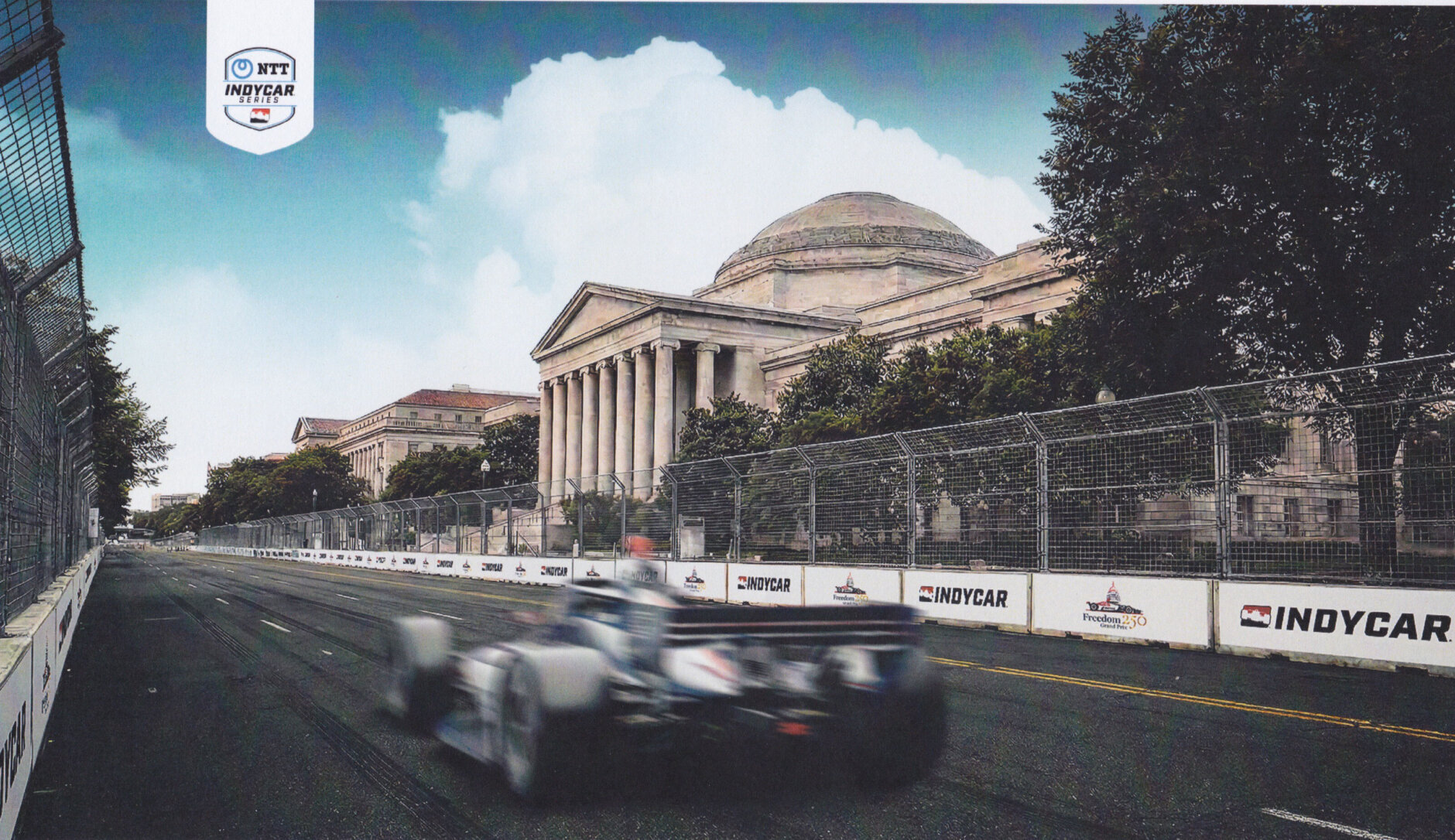
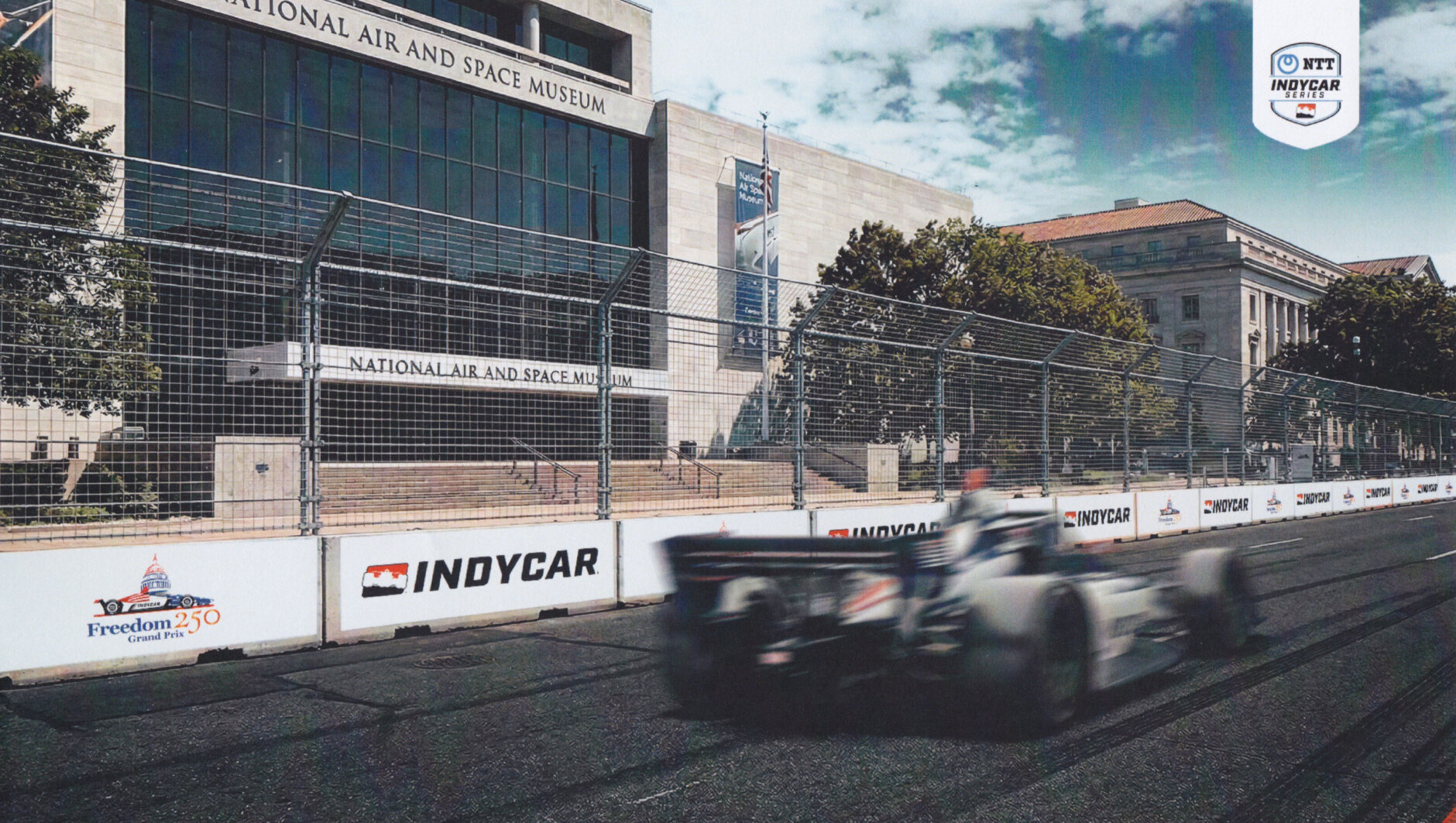
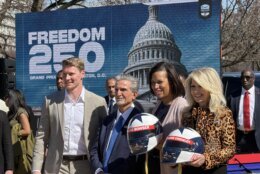
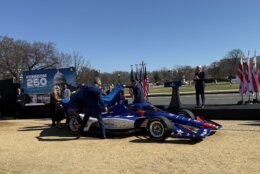
The Freedom 250 Grand Prix is scheduled for Aug. 22 and 23, and will mark the first time Indy cars will race on the National Mall and surrounding D.C. streets. Organizers say the 1.7 mile, seven‑turn street course will run along Pennsylvania, Constitution and Independence avenues, with the start and finish lines near the U.S. Capitol.
Interior Secretary Doug Burgum said the setting will deliver a striking contrast between speed and history.
“Cars racing at speeds close to 200 miles an hour down Pennsylvania Avenue, Constitution Avenue and Independence Avenue. What a thrill,” Burgum said.
The idea of bringing IndyCar to D.C. had been discussed for months, but early plans nearly collapsed when organizers realized parts of the original route would require congressional approval.
Bud Denker, president of Penske Corporation and the lead organizer of the Freedom 250 Grand Prix, recalled calling up Transportation Secretary Sean Duffy and saying, “I can’t get the votes across the street to make this race happen on Capitol Grounds.”
Duffy said the Capitol‑focused route created a major obstacle.
“We were going to go around the Capitol, but the Congress would have to do some approvals for us, and frankly, some people didn’t want to give them to us,” Duffy said.
Organizers ultimately redesigned the course to avoid congressional jurisdiction. Federal officials said the project moved forward after President Donald Trump signed an executive order tied to the nation’s 250th anniversary, allowing federal agencies and the District to coordinate approvals for the event.
Mayor Muriel Bowser said the city embraced the plan for the race as part of a broader celebration.
“We are delighted to bring IndyCar to Washington, D.C., and we are very excited to be celebrating the American semiquincentennial in Washington, D.C.,” Bowser said.
Bowser said the race is also leading to an increase in hotel bookings during a time when D.C.’s tourism industry typically slows down.
Preparing the streets and the drivers
With approvals in place, Denker said the focus is now on the logistics of turning everyday city streets into a temporary racecourse.
Denker said fencing and protective barriers will be installed during early‑morning hours to limit disruptions, with crews working overnight and before the start of the business day as much as possible. He said organizers are coordinating closely with the District and federal agencies on timing, access and traffic impacts as preparations ramp up.
Denker also said the responsibility for any damage to city streets resulting from the race “lies with us” but said other races have left little need to repair streets.
“We have yet to go to any environment and have to repair road after one of our races. You may have some asphalt laid down, some rubber laid down, but beyond that, we haven’t had to repair any roads,” Denker told WTOP.
He said planners are working to carve out space for a pit lane along Pennsylvania Avenue, and the start and finish will be along 3rd Street with the Capitol Building as the backdrop.
National Park Service officials and U.S. Park Police are expected to be heavily involved before, during and after the race, with organizers emphasizing the protection of streets and landmarks as planning continues.
Bowser acknowledged how unusual the event will be for the city.
“Secretary Duffy and I usually aren’t talking about speeding on D.C. streets, but today we’re talking about speeding on D.C. streets,” she said.
Local partners are also preparing for the scale of the event. Monumental Sports and Entertainment Chairman Ted Leonsis said his organization is helping handle logistics and on‑the‑ground coordination.
Leonsis said the ongoing renovation of Capital One Arena has freed up staff who would normally be focused on the building, allowing more people to assist with planning and execution of the race.
He said Monumental is also helping with infrastructure, such as temporary seating, hospitality areas and suites.
“As soon as we heard that Penske and the White House and the mayor needed some help, we said, ‘Count us in,’” Leonsis said.
Leonsis said he expects the event to be an “iconic, goose bump inducing” day in D.C.
“It’s just a big love letter to the rest of the world that D.C. is a great place to come and visit,” Leonsis said.
Some of the suites, according to Denker, are already being purchased, with some going for as much as $200,000. All proceeds from the race will go to charity.
Drivers, meanwhile, are preparing for a street course unlike anything else on the IndyCar calendar. Two‑time IndyCar champion Josef Newgarden said the setting presents a unique challenge.
“This is the most unique thing I have ever seen in motorsports,” Newgarden said. “And I’ve been racing for 15 years professionally.”
Organizers said drivers will see the course for the first time as preparations continue, with teams expected to adapt to tight city streets, temporary barriers and a backdrop unlike any other race in the series.
Get breaking news and daily headlines delivered to your email inbox by signing up here.
© 2026 WTOP. All Rights Reserved. This website is not intended for users located within the European Economic Area.