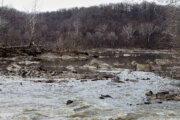
PANAMA CITY (AP) — For centuries, Panama served as a natural bridge for global trade. Mule trains hauled treasure over stone-paved trails, riverboats floated gold and silver down the Chagres River to Caribbean ports like Portobelo, guarded by the cannons of Fort San Lorenzo, and later, the world’s first transcontinental railroad ferried passengers and cargo from ocean to ocean.
This photo journey looks back at the routes that carried the world across Panama’s isthmus long before the first lock opened in the Panama Canal.
These crossings made Panama one of the world’s most strategic corridors long before engineers carved the canal. Today, traces of those forgotten routes remain: moss-covered cobblestones hidden in the jungle, the colonial ruins of Panama Viejo, sacked by pirate Henry Morgan and later re-founded, fort walls crumbling above the sea, and the Chagres still winding on as a silent witness to centuries of passage.
____
This documentary photo story has been curated by AP photo editors.
Copyright © 2026 The Associated Press. All rights reserved. This material may not be published, broadcast, written or redistributed.