This content is sponsored by George Washington University Hospital.
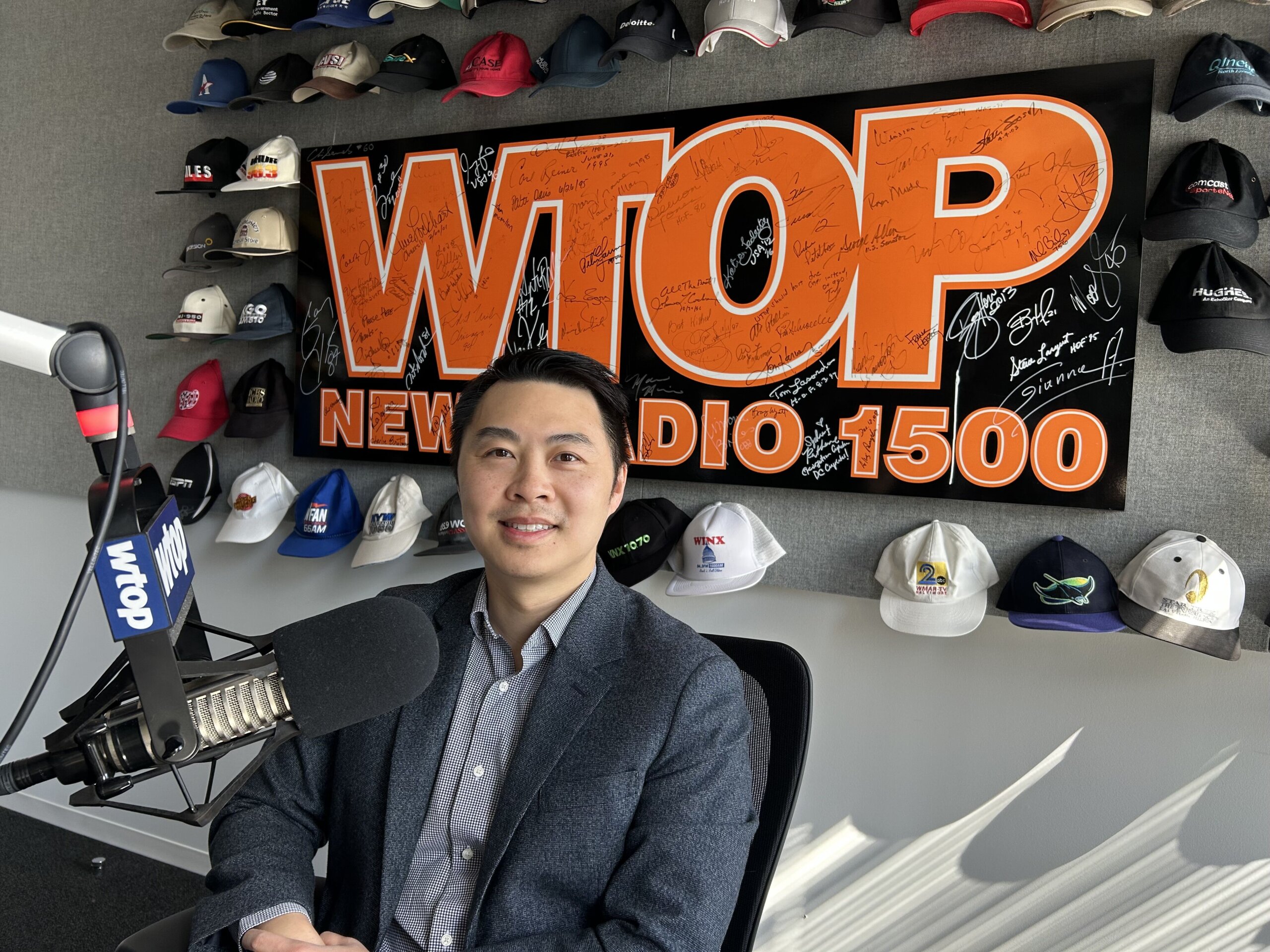 Matthew Ng, MD, is board certified in general surgery and colon and rectal surgery. He performs surgery at The George Washington University Hospital and Cedar Hill Regional Medical Center. Here, he discusses colorectal cancer and the importance of early detection through screening.
Q: What are the basics about colorectal cancer?
A: Colorectal cancer is a disease that starts anywhere in the colon and the rectum and it always begins as a small growth or a polyp. Over time, it continues to evolve and mutate and turn into a cancer. This cancer can cause symptoms like bleeding and in advanced stages, it can become painful and cause blockages, and worst-case scenario is that it can spread throughout the body and ultimately cause death.
Q: Are you seeing a rise in colorectal cancer?
A: Interestingly, we’ve been seeing colon cancer decline in older patients over the age of 50, but we have been seeing a rise in younger patients under the age of 50, which is quite alarming.
There are many theories out there as to why colon cancer is rising in younger patients. There are a lot of ideas that could be related to environmental factors, such as diet, obesity, lifestyle modifications, not eating enough fiber, smoking and processed foods. These are all contributing factors potentially to the rise of colon and rectal cancers in younger patients.
Q: What are some of the signs and symptoms to watch for?
A: Typically, in early stages, patients don’t have any symptoms at all. When it becomes more advanced, you can start seeing blood in your stool. You can have black stools. You can have stools that are getting narrower or thinner in caliber, and have unintentional weight loss, vague abdominal pain and even lack of appetite.
Q: What makes colorectal cancer different from other cancers?
A: Colorectal cancer can be preventable and we know it grows slowly. With adequate screening and the ability to remove the precursor lesions known as polyps, then we can prevent colon and rectal cancer from becoming an issue to begin with.
Q: What is the screening process for colorectal cancer?
A: We need to figure out if the patient is considered high risk. When I say high risk, we talk about patients who have a history of colorectal cancer, have any history of inflammatory bowel disease or they themselves are having symptoms. If that is the case, then they should be getting a colonoscopy.
If you’re considered average risk, meaning no history whatsoever of colorectal cancer and no symptoms, you can still get a colonoscopy, which is considered the gold standard. But there are also other adequate tests out there, such as stool-based testing.
Q: How is colorectal cancer treated?
A: If a patient is diagnosed with colorectal cancer, we take a multidisciplinary team approach for treating it. Some patients may need chemotherapy first upfront. Some patients may also need radiation. If it is in the early stage, oftentimes surgery alone can be curative.
Q: How has technology changed in this field over time?
A: We have gotten better with our screening colonoscopies. The visualization is much better and the high-definition photos that we can see have much improved over time. In addition, the stool-based testing has become a lot more sensitive and specific for detecting cancers.
In terms of treatment of colon and rectal cancer, chemotherapy has become much more evolved and specialized. Our surgical techniques have been more precise, and with the advent of robotic technology, we can offer a much more minimally invasive approach to surgical treatment of colon and rectal cancer.
Q: How do you prioritize patient-centered care?
A: Every patient that we see is unique, and I personally like to take an approach where the patient is involved in their care. Especially with cancer care, there are a lot of variables involved and it is important that we keep in mind what the patient ultimately wants. If they want a more conservative approach or a more aggressive approach, every treatment that we offer these patients is tailored to their needs.
Q: Can you describe the screening program at Cedar Hill Regional Medical Center in Ward 8?
A: At Cedar Hill Regional Medical Center, we offer a new screening clinic for patients at average risk. This helps identify whether you’re able to get a screening colonoscopy.
To schedule a visit at Cedar Hill Regional Medical Center’s colorectal cancer screening clinic, call 771-444-6146.
Individual results may vary. There are risks associated with any surgical procedure. Talk with your doctor about these risks to find out if minimally invasive or robotic surgery is right for you. Physicians are independent practitioners who are not employees or agents of these facilities. The facilities shall not be liable for actions or treatments provided by physicians. For language assistance, disability accommodations and the nondiscrimination notice, visit our websites.