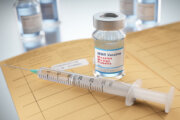
Influencers, content creators and celebrities across social media platforms are touting the benefits of GLP-1 drugs, but many of them aren’t taking them in the same dosages as most weight loss medications are prescribed. In fact, a concerning and growing subculture of people are trying the viral trend of microdosing GLP-1s.
“As a pharmacist, I’ve seen social media become a major source of health information for many patients,” says Sue Ojageer, a pharmacist and founder of the concierge health practice PharmaSue. “While it has increased awareness of GLP-1 medications, it has also made it easier for personal experiences and anecdotal advice to spread quickly, often without appropriate medical context.”
This shift has fueled an off-label trend where users alter semaglutide (Ozempic and Wegovy) or tirzepatide (Mounjaro and Zepbound) to reduce costs and side effects of weight loss drugs — all without a doctor’s supervision.
While some users assume taking smaller amounts of Ozempic or other GLP-1s is inherently safer than standard doses, that isn’t necessarily the case. Microdosing hasn’t been clinically tested or approved by the Food and Drug Administration, meaning it carries unpredictable short- and long-term health risks.
Here’s what you need to know about the dangers of independent GLP-1 microdosing, and whether a custom dose schedule is ever medically appropriate.
[READ: GLP-1 Muscle Loss: How to Prevent Muscle Wasting on Wegovy and Other GLP-1s]
The Clinical Reality vs. The “Hack”: Understanding Dosing Logic
Adjusting a medication’s dose, known as titration, is a common practice among doctors to gradually acclimate patients to a drug, helping them build tolerance and manage side effects. However, there is a critical distinction between physician-guided titration and self-directed patient experimentation when adjusting Ozempic or other GLP-1 medications.
How social media trends attempt “microdosing”
While social media is full of personal “success stories,” the underlying theory of the trend is that taking smaller, non-standard amounts will be gentler on the body. Online, users attempt to achieve custom doses through a few informal workarounds:
— Counting pen “clicks”: Turning the dial on pre-filled injector pens to estimate fractional doses by listening for audible clicks.
— Manipulating autoinjectors: Dismantling single-dose pens or transferring medication into external vials to draw out smaller portions with separate syringes.
— Using compounded vials: Using custom formulations from compounding pharmacies to manually draw custom microdoses.
Through these DIY methods, users often reduce their intake far below established clinical guidelines — sometimes taking as little as 0.05 milligrams compared to a standard 0.25-milligram starting dose of Ozempic.
Clinical evidence vs. social media trends
Despite its online popularity, microdosing GLP-1s has not been clinically tested or FDA-approved, and taking non-standard doses should only ever be done under a doctor’s direct guidance.
“The titration schedules included in FDA-approved prescribing information are supported by clinical trials and designed to gradually improve tolerability while achieving therapeutic benefit,” Ojageer says. “The social media microdosing trend, by comparison, is generally based on anecdotal reports rather than evidence from clinical studies.”
While these hacks may seem appealing for managing side effects, altering medication schedules without clinical supervision introduces unstudied safety hazards.
In fact, dropping below standard therapeutic thresholds can actually backfire: It can desensitize receptors, induce weight plateaus, reduce overall treatment efficacy and disrupt long-term metabolic health.
[READ How to Increase Weight Loss on Wegovy: 8 Tips to Maximize Results on GLP-1s]
Standard Dosing vs. Microdosing: A Comparative Overview
Here’s a breakdown of how informally microdosing Ozempic differs from medically tested protocols:
| Dosing Strategy | Intent & Method | Clinical Trial Validation | Primary Safety Risks |
| Standard Titration | Step-up doses every 4 weeks to reach therapeutic plateau; adjusted under doctor’s supervision | Fully validated for maximum efficacy and metabolic change | Expected gastrointestinal side effects during step-up phases |
| Informal Microdosing | Splitting doses or taking fractional amounts below starting threshold | Not validated; lacks formal safety and efficacy data | Ineffective glycemic control, pen contamination, dosing calculation errors |
The Safety Risks: The Inherent Dangers of DIY Microdosing
Medications are rigorously tested in clinical trials to establish precise, safe and effective dosing protocols. Deviating from these approved guidelines through custom GLP-1 microdosing creates serious health and safety risks.
1. Dosing inaccuracies
Many GLP-1 medications are administered using pre-filled, dial-adjusted injector pens. To attempt a smaller microdose, some users try to measure doses by counting the audible “clicks” as they turn the dial. However, because these clicks are not calibrated to represent precise volume increments, calculation errors are extremely common.
In fact, Ozempic explicitly warns in its instructions: “Do not set the dose by counting the number of clicks.”
[READ: Wegovy Pill vs. Foundayo Pill: How the 2 New GLP-1 Drugs Compare]
2. Bacterial contamination and infection
Single-dose autoinjectors (such as Mounjaro) pose even greater risks when altered for custom dosing. To extract smaller portions, users often resort to dangerous workarounds:
— Hacking the pen: Dismantling the autoinjector mechanism to extract fluid directly into an external syringe dramatically spikes the risk of bacterial contamination and serious injection-site infections.
— Vial transfers: Injecting the medication into an unverified separate vial to draw out smaller amounts compromises the sterility of the solution and makes pulling an accurate dosage nearly impossible.
All of these off-label methods involve too many variables to be safe.
3. Compounding and drug delivery hazards
To bypass the physical limitations of brand-name autoinjector pens, a growing number of consumers are turning to compounding pharmacies to microdose GLP-1 drugs. These facilities prepare custom formulations of active drug ingredients in liquid vials, allowing users to draw microdoses manually using separate syringes.
However, compounded versions of semaglutide and tirzepatide are not FDA-approved for safety, effectiveness or manufacturing consistency.
This introduces significant health risks, including:
— Inconsistent dosing and potency: Without standard manufacturing rules, chemical formulations and ingredient concentrations vary wildly between pharmacies. This creates a high likelihood of inconsistent drug delivery, leading to unpredictable results or severe side effects.
— Storage and degradation issues: GLP-1 medications require strict temperature controls to be effective. If a compounding facility or courier fails to maintain the proper cold chain during storage or transit, the drug can quickly lose potency or degrade entirely.
— Unapproved salt forms and additives: Compounded versions of GLP-1 drugs from unregulated sources may use unverified chemical forms (such as semaglutide salts) or contain undisclosed additives.
“This is an area where patients should be especially cautious,” Ojageer says. “Receiving a compounded medication does not make self-adjusting doses safer.”
Side Effects and Health Consequences of Microdosing
Patients who modify their dosing independently may experience the following side effects:
— Reduced therapeutic benefit: Taking doses below what’s been clinically tested often leads to inadequate weight loss, persistent appetite rebound (“food noise“) and overall treatment failure.
— Worsening blood glucose control: For patients managing Type 2 diabetes or insulin resistance, erratic or insufficient dosing from microdosing can cause dangerous blood sugar fluctuations and glycemic instability.
— Severe gastrointestinal distress: Increased gastrointestinal side effects, such as nausea, vomiting and dehydration.
“It may also become difficult for healthcare providers to determine whether new symptoms are related to the medication, an underlying medical condition or the altered dosing regimen,” Ojageer says.
When Tailoring Your GLP-1 Dose Is Medically Appropriate
While self-directed GLP-1 microdosing is unproven and potentially dangerous, there are certain situations where custom GLP-1 dosing makes clinical sense. However, these adjustments are only ever made under direct medical supervision.
When deciding on an alternate dosing schedule, doctors take into account a patient’s full medical history, current medications, health goals and treatment response. Debilitating side effects — such as severe, intractable nausea or gastroparesis — may also prompt a physician to tailor the dosing plan.
This doctor-guided approach may include:
— Holding off on dose increases: Pausing scheduled dose steps until your body gets used to the medication.
— Slowing down the schedule: Taking extra time between dose changes so your body adjusts gradually.
— Staying at a lower dose longer: Remaining on a smaller dose past the usual timeline to help ease side effects.
A licensed physician can safely manage your care using FDA-approved brand-name pens or properly regulated compounding sources — a far safer approach than turning to unverified gray-market drugs that may sell you fake Ozempic or self-directed experimentation.
“The important distinction is that individualized care under medical supervision is very different from self-experimentation,” Ojageer says. “Those decisions are based on an ongoing assessment of the patient’s response and overall health — not on social media trends.”
Critical Questions to Ask Your Prescriber Before Modifying Your Dose
Before considering any changes to your medication schedule, consult your provider.
Ask your doctor these key questions to determine if a dosage adjustment is safe and appropriate for your health needs:
— Are my side effects expected, and how long do they typically last?
— Would it be appropriate to stay on my current dose longer before increasing it?
— Are there dietary changes or lifestyle modifications that could help me tolerate the medication better?
— Would a different GLP-1 medication or alternative treatment be a better fit for me?
— What symptoms should prompt immediate medical evaluation?
— How will my progress and side effects be monitored throughout treatment?
Bottom Line: Prioritizing Efficacy and Personal Safety on Your Health Journey
Taking an active role in your health is deeply empowering, especially when starting a new medication. However, attempting DIY GLP-1 microdosing without clinical supervision introduces serious, unpredictable hazards.
While GLP-1 microdosing is trending on social media and may seem appealing as a way to minimize unpleasant side effects, taking dosing into your own hands can jeopardize both your physical safety and long-term health goals.
“While social media can increase awareness and encourage conversations about treatment, it should never replace evidence-based medical guidance,” Ojageer says. “Patients should know they have options and should not feel they need to manage side effects alone.”
More from U.S. News
What Does Medicare Actually Cover in a Best-Rated Memory Care Facility?
What Is a Medical Foster Home? VA Eligibility, Costs and Care Options
Why Do GLP-1 Weight Loss Medications Cause Hair Loss — and Is It Reversible?
GLP-1 Microdosing: Risks, Benefits and What to Know Before Changing Your Dose originally appeared on usnews.com