Cleaning up the Chesapeake Bay is a big feat, and the targets from a plan set in 2014 with a deadline of this year weren’t quite met.
The new Chesapeake Bay Watershed Agreement has four thematic goals with staggered goals and varying targets to meet for each subcategory.
Maryland Secretary of Natural Resources Josh Kurtz said that those main goals are “healthy landscapes, clean water, engaged communities and thriving habitat and wildlife.”
He said by breaking them down, officials were hoping to make them easier to navigate and give everyone involved clear and attainable targets, compared to the 2014 plan.
The 2014 plan had 10 goals and 31 outcomes, and the new plan has four goals and 21 outcomes.
“When we looked at those 10 goals before, frankly, that added a level of complexity. It made it more difficult to communicate to the public everything that we’re trying to achieve,” Kurtz said. “We changed some of the targets to be, I think, maybe more realistic in places and also to be more nuanced in others.”
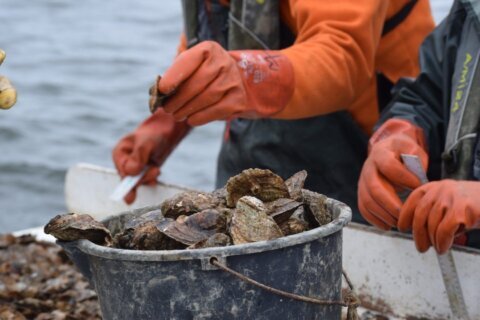
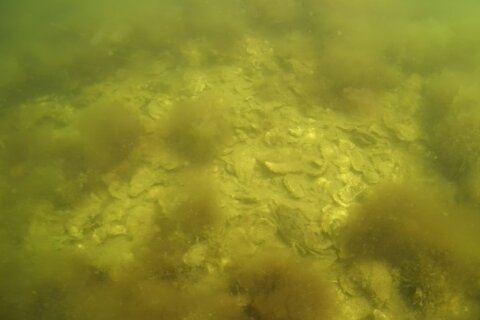
Officials changed the oyster restoration goal to an acreage goal instead of the number of restored tributaries. And for the first time, the agreement incorporates mussels. That goal is to develop freshwater mussel conservation plans for five tributaries and begin the implementation of those by 2035.
“We’ve really broadened that, that goal of filter feeders, oysters and mussels now, and a lot of what you’ll see in this agreement is really following the latest science that came out of the comprehensive evaluation of system response,” Kurtz said.
When it comes to blue crabs, Kurtz said officials are waiting on more data to come up with a specific goal.
“Right now we’re going through the stock assessment process. So the new stock assessment will be completed in 2026,” Kurtz said. “Blue crabs are so important for our states. They’re fundamental to the culture of Maryland and Virginia. So we want them, and we need to have a very specific target and call out for them in the Bay agreement, and we recognize that we don’t have the updated tool that we really need, which is that stock assessment.”
But Keisha Sedlacek, senior policy director for the Chesapeake Bay Foundation, said she thinks staggering the deadlines isn’t efficient.
“It ranges from a 2035 to a 2040 deadline. Those consistencies need to be worked out, and there’s a lot of gaps that are in there, like especially for protected lands and what those goals need to be,” Sedlacek said.
She said that while there are some changes she’d like to see in the final plan, overall, it’s the right idea.
“We’re excited that all of the jurisdictions are recommitting to working together towards a healthy region,” Sedlacek said. “The goals and outcomes, as well as the targets, are much more streamlined and aligned with the issues of the day.”
The period for the public to make suggestions on the plan is happening now. There are informational webinars on the proposal on July 15, 24 and 30.
“It’s more important that we have people weighing in and letting them know what’s important for them and their communities, whether that’s, you know, healthy streams or clean water or public access points,” Sedlacek said.
After making changes to the plan following the public comment period, the final plan will then be proposed in October and finalized on Dec. 2.
Read the whole draft proposal here.
Get breaking news and daily headlines delivered to your email inbox by signing up here.
© 2025 WTOP. All Rights Reserved. This website is not intended for users located within the European Economic Area.