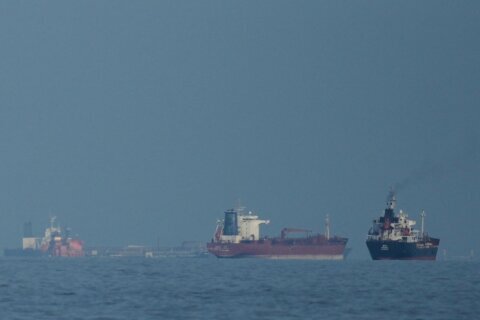
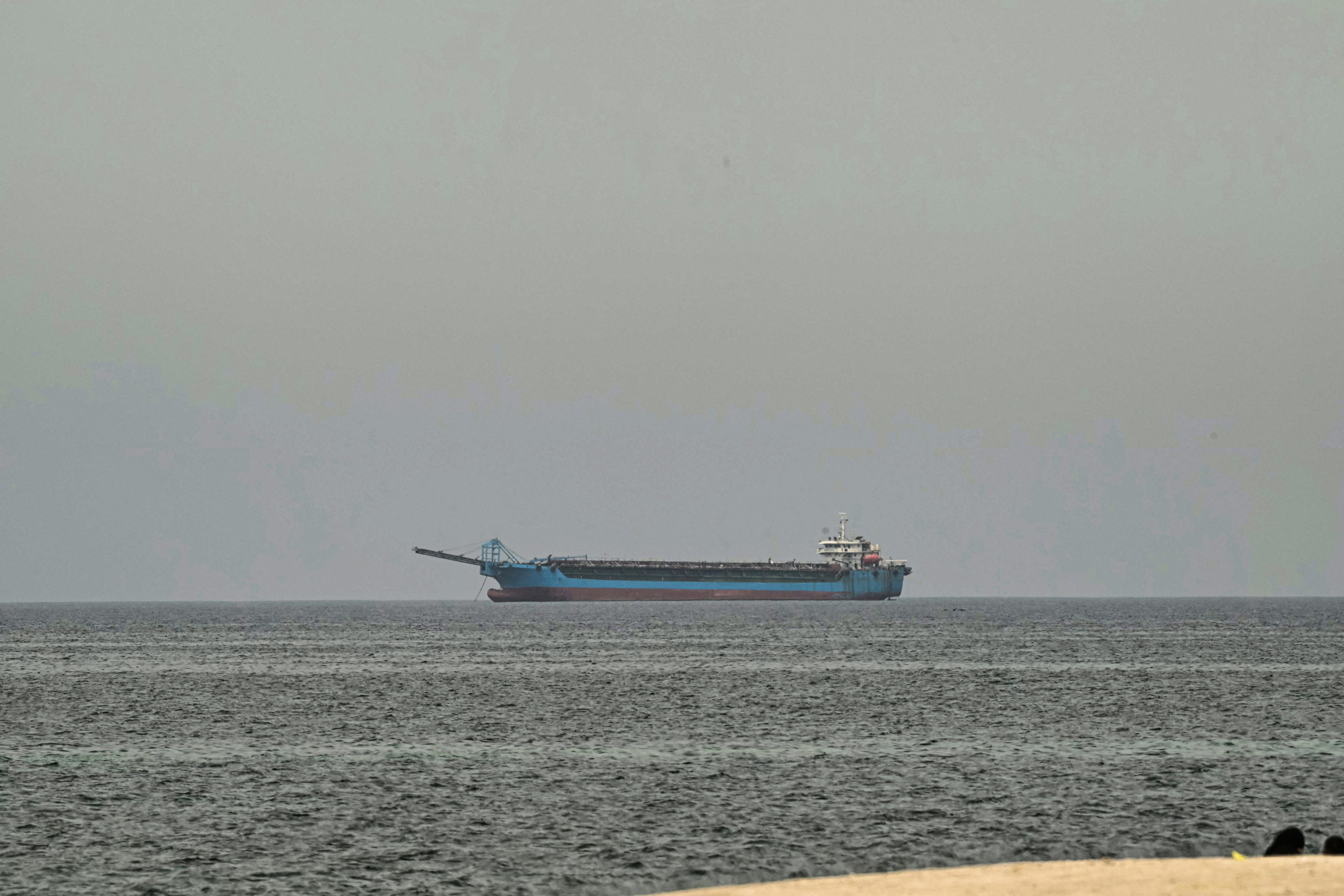
Two blockades now define the center of gravity in the Middle East: one imposed by the U.S. on Iranian shipping and the other imposed by Iran on the Strait of Hormuz itself.
Between them sits one of the most critical arteries in the global economy, and it is no longer functioning.
This is not a slow drift toward crisis. It is a live, unstable standoff over control of the world’s energy lifeline, and the margin for error is shrinking by the hour.
What makes this moment especially dangerous is that both sides are asserting control over the same space, but in fundamentally different ways.
Iran has already demonstrated it can choke the strait through threats, attacks and selective closures, effectively halting large portions of global oil flow. This has sent shock waves through energy markets.
At the same time, Washington has imposed a targeted naval blockade on Iranian ports, aiming to cut off Tehran’s oil exports and force it back to the negotiating table.
The result is not a single, clear line of control. It is overlapping pressure systems, each designed to break the other’s leverage.
That overlap is where the real risk lies. The United States is not closing the strait outright; it is intercepting and restricting ships tied to Iran.
Iran, meanwhile, is not declaring a total permanent closure; it is making the strait selectively unusable, asserting control through intimidation and disruption.
But together, these two strategies create a reality in which commercial shipping cannot operate normally, insurers cannot price risk and naval forces are pushed into closer, more frequent contact.
This raises the risk of miscalculation. A boarding operation becomes a confrontation. A drone is misidentified. A fast boat approaches too quickly.
In a congested, high-stakes environment like the Persian Gulf, those moments do not stay tactical for long.
The economic consequences are already unfolding.
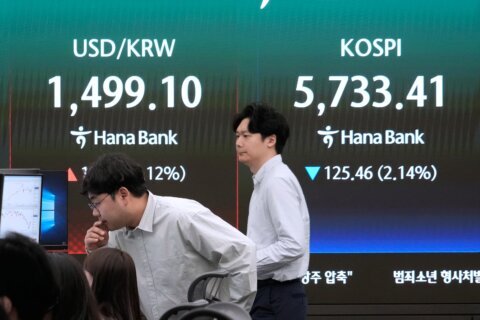
Oil prices have surged past $100 a barrel as markets begin to price in sustained disruption. Millions of barrels of Iranian crude are effectively stranded, unable to reach buyers, while tankers sit idle or reroute under growing uncertainty.
The deeper concern is not just supply loss, but system instability.
The Strait of Hormuz handles roughly a fifth of global oil and gas flows. When that artery constricts, even partially, the shock is felt globally, from Asian importers to European energy planners.
And the international response reflects that urgency.
European leaders are now calling the restoration of free navigation through Hormuz a matter of paramount importance. China is warning that the blockade runs against global interests and is pushing for restraint.
Those are not routine diplomatic statements. They are signals that the crisis is no longer regional — it is systemic.
What comes next will be determined by which side believes time is on its side.
Washington is betting that economic strangulation will force Tehran back to the table. Tehran is betting it can outlast the pressure by raising the cost, economically and militarily, of sustaining the blockade.
Neither side is signaling retreat. Both are signaling resolve.
That leaves diplomacy in a narrow corridor, likely pushed into back channels through mediators like Oman or Qatar.
Publicly, the language is hardening. Privately, the search for an off-ramp is almost certainly underway.
But right now, that off-ramp is not visible.
What is visible is a compressed, volatile battle space where two powers are contesting control of the same critical waterway, under conditions where even a small incident could cascade.
This is not yet a shooting war at sea. But it is the kind of environment where one could begin, suddenly and without warning.
Get breaking news and daily headlines delivered to your email inbox by signing up here.
© 2026 WTOP. All Rights Reserved. This website is not intended for users located within the European Economic Area.