The first structured signs of diplomacy in the Iran conflict have emerged, even as military activity continues to escalate across the region.
There are still no formal negotiations, but Pakistan has emerged as a key intermediary, passing messages between Washington and Tehran. This reflects a familiar early phase of crisis diplomacy, where both sides test positions indirectly while avoiding public commitments.
At the center of these contacts is a reported 15-point proposal that goes well beyond a ceasefire.
According to Pakistani officials, the framework includes sanctions relief, civilian nuclear cooperation under international oversight, a rollback of Iran’s nuclear program, monitoring by the International Atomic Energy Agency, limits on missile capabilities and guarantees for shipping through the Strait of Hormuz.
Additional elements are believed to include curbs on proxy activity and broader maritime security measures. The scope suggests an attempt to stabilize the conflict while laying the groundwork for a wider agreement.
In response, Iran’s five-point position centers on core demands: an immediate ceasefire and halt to U.S. and Israeli strikes, recognition of Iranian sovereignty, including its role in the Strait of Hormuz, lifting of sanctions without preconditions, compensation or reparations for war-related damage and the preservation of its military and nuclear infrastructure at some level.
This is not a tactical counteroffer; it is a strategic reframing.
Iran is shifting the negotiation from disarmament and restriction, which define the U.S. plan, to legitimacy, sovereignty and cost imposition, making clear it is willing to talk, but only on terms that reflect endurance rather than defeat.
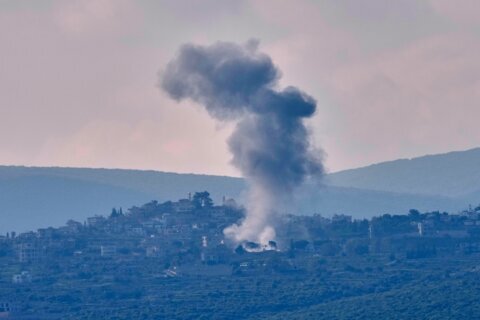
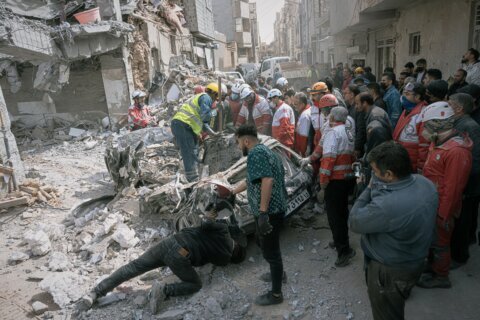
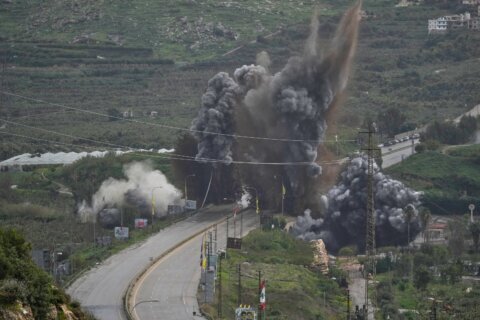
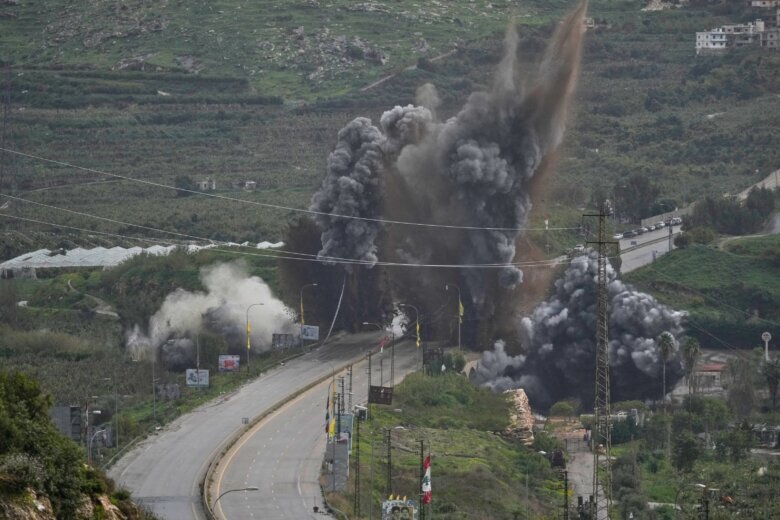
However, developments on the ground indicate no immediate alignment with that framework. Israel continues to carry out strikes on infrastructure targets inside Iran and Lebanon, with no visible pause in operations. That suggests either a lack of coordination with the emerging proposal or a deliberate effort to weaken Iranian capabilities before any diplomatic constraints take hold.
At the same time, the United States is reinforcing its military presence across the Gulf, increasing both deterrence and risk. Gulf Arab states, for their part, are pressing for de-escalation to protect energy infrastructure and trade routes, while remaining cautious about any outcome that could trigger broader instability.
The result is a conflict moving on two parallel tracks: early diplomatic outreach and continued military escalation.
Get breaking news and daily headlines delivered to your email inbox by signing up here.
© 2026 WTOP. All Rights Reserved. This website is not intended for users located within the European Economic Area.